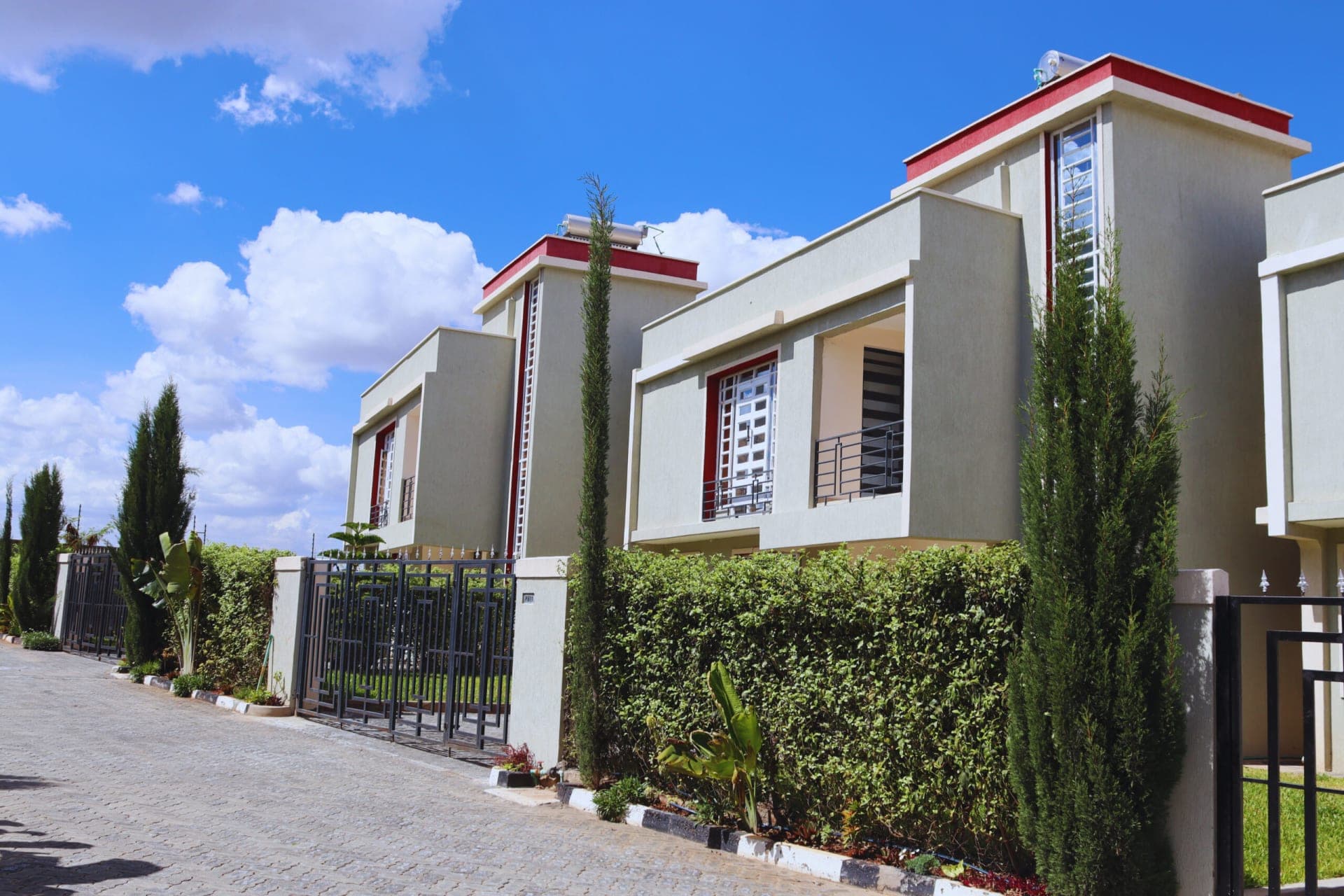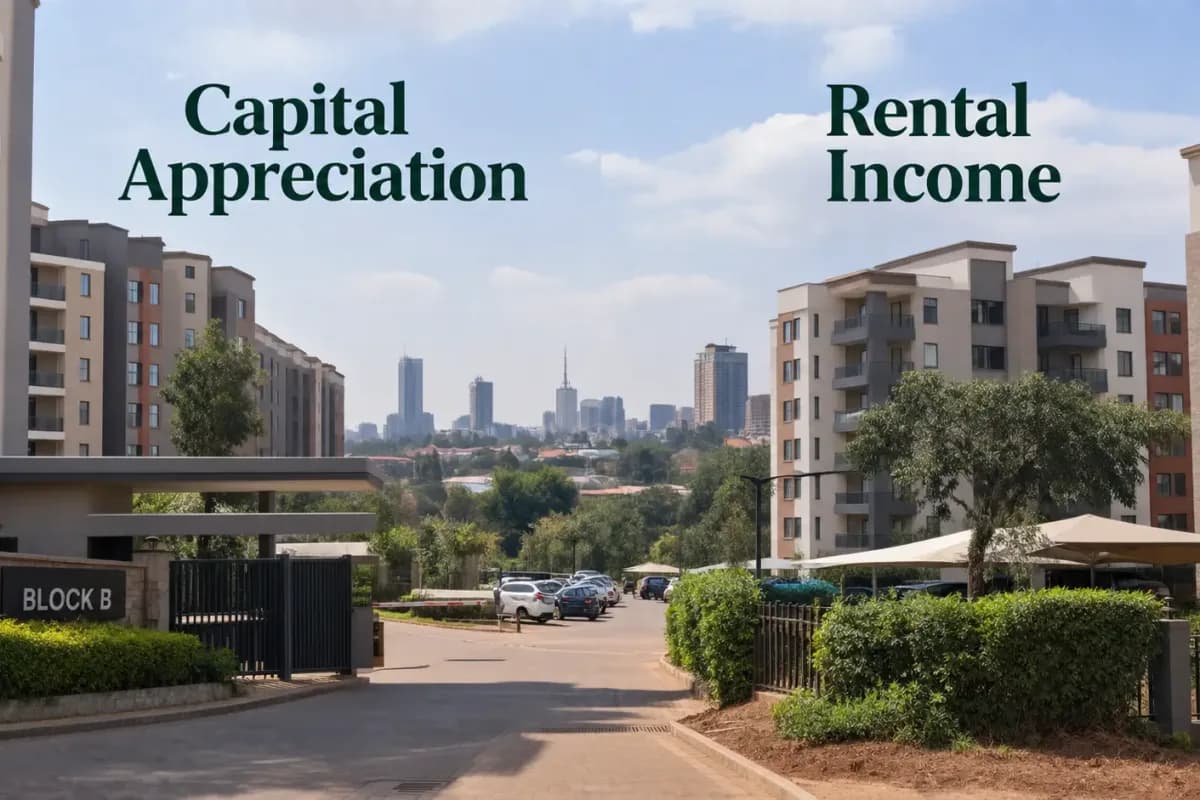

Buying property in bulk is quite common today.
These can be several apartments, townhouses etc. The question now becomes; do you want to sell the units and recover your capital, or hold them and generate rental income over time?
The answer depends largely on your investment strategy, target market, cash-flow requirements and holding period.
Buying to Resell:
Reselling is fundamentally a shorter-term strategy. The objective is to acquire property at a price that leaves room for a profitable exit, then sell to another buyer.
This can work particularly well where there is a clear market for ownership.
Your eventual buyer may be looking for a permanent home, a holiday property, a retirement home, or another investment that they can later resell.
However, a good location does not automatically make a property easy to sell.
A common assumption is that property in a desirable area will always find a buyer. In reality, buyers compare your property against everything else available in the same market.
An existing apartment, a newly completed development or another seller may offer a lower price, better finishes, more flexible payment terms or simply a more attractive proposition.
This becomes particularly important when selling a large number of units. If you have 50 apartments to dispose of, you are not competing for one buyer but a continuous stream of buyers.
There is also a timing issue.
Capital can remain tied up while you wait for sales, marketing, agency commissions, transfer costs, financing costs, taxes, service charges and price negotiations can all reduce the apparent profit.
Buying To Rent:
Renting changes the objective.
Instead of looking for an immediate buyer, you are acquiring an income-producing asset and holding it.
Once occupied, the property can begin generating recurring income while you retain ownership. But rental property is not passive money.
Tenants can delay payments, leave unexpectedly, damage property, or require persistent management.
There are vacancies, repairs, service charges, insurance, property management costs, and periods when rent may need to be negotiated.
Related: Calculate How Much Home Insurance You Need to Pay for Your Property
The tenant and buyer are different market segments. Consider property close to a university, industrial zone, hospital, construction project or major employment centre.
A tenant may need accommodation for two or three years while working, studying or completing an assignment.
That person may have no interest in purchasing the property. A buyer, however, is making a much longer-term commitment. They may want security of tenure, ownership, family accommodation or the ability to resell later.
A development can therefore have strong rental demand but weak resale demand, or strong buyer demand but insufficient rental income to justify holding it.
Reselling seeks to realise value. Renting seeks to accumulate value while producing income.
The right question is therefore not simply buying to resell or rent but focusing on the most commercially realistic exit or income strategy for that particular property, in this particular market and at a reasonable price.
That is where proper property feasibility and investment analysis begin, and that's what we do at Rickfes.