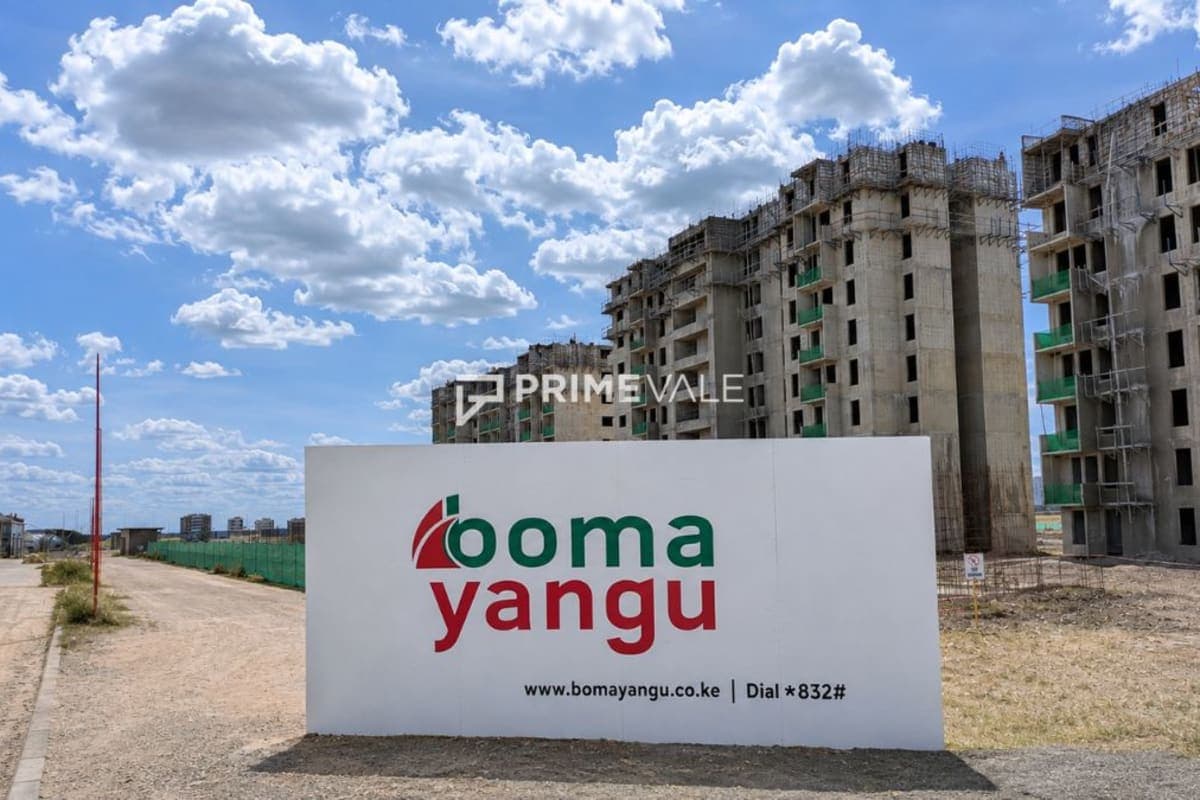

Did you know that Boma Yangu is one of the most searched terms in real estate in Kenya?
Whether you've heard about affordable housing through the Housing Levy, news reports, or conversations with friends, it's common to wonder:
What exactly is Boma Yangu? How do you qualify? How do you apply? And how does it all work?
The answers aren't always straightforward because many people use Boma Yangu and Affordable Housing interchangeably, even though they are not the same thing.
This guide explains everything you need to know, from what Boma Yangu is to how the Affordable Housing Programme works, who qualifies, how savings and allocations are handled, and how you can eventually purchase a home.
Throughout this guide, we'll also link to more detailed articles that explore specific topics in greater depth.
What is Boma Yangu?
Boma Yangu is Kenya's official digital platform for the Government's Affordable Housing Programme.
It allows eligible Kenyans to:
Register for the programme
Complete their applicant profile
Save towards a home purchase
Browse available affordable housing projects
Apply for housing units
Track their savings and application status
The platform was introduced as part of the Government of Kenya's Affordable Housing Programme, which aims to increase access to decent and affordable homes across the country.
While most people refer to the entire programme as "Boma Yangu," the platform is actually just one part of a much larger housing initiative.
Boma Yangu vs Affordable Housing: What's the Difference?
This is probably the biggest misconception.
Although many people use the two terms interchangeably, Boma Yangu and the Affordable Housing Programme are not the same thing.
Affordable Housing Programme | Boma Yangu |
|---|---|
National government housing programme | Official online platform |
Develops affordable housing projects | Enables registration and applications |
Oversees housing delivery | Manages applicant accounts and savings |
Includes policy, financing and allocation | Helps buyers interact with the programme |
An easy way to think about it is this:
The Affordable Housing Programme is the university. Boma Yangu is the admissions portal.
What is Kenya's Affordable Housing Programme?
The Affordable Housing Programme (AHP) is a Government of Kenya initiative designed to increase the supply of decent, affordable homes while supporting economic growth and job creation.
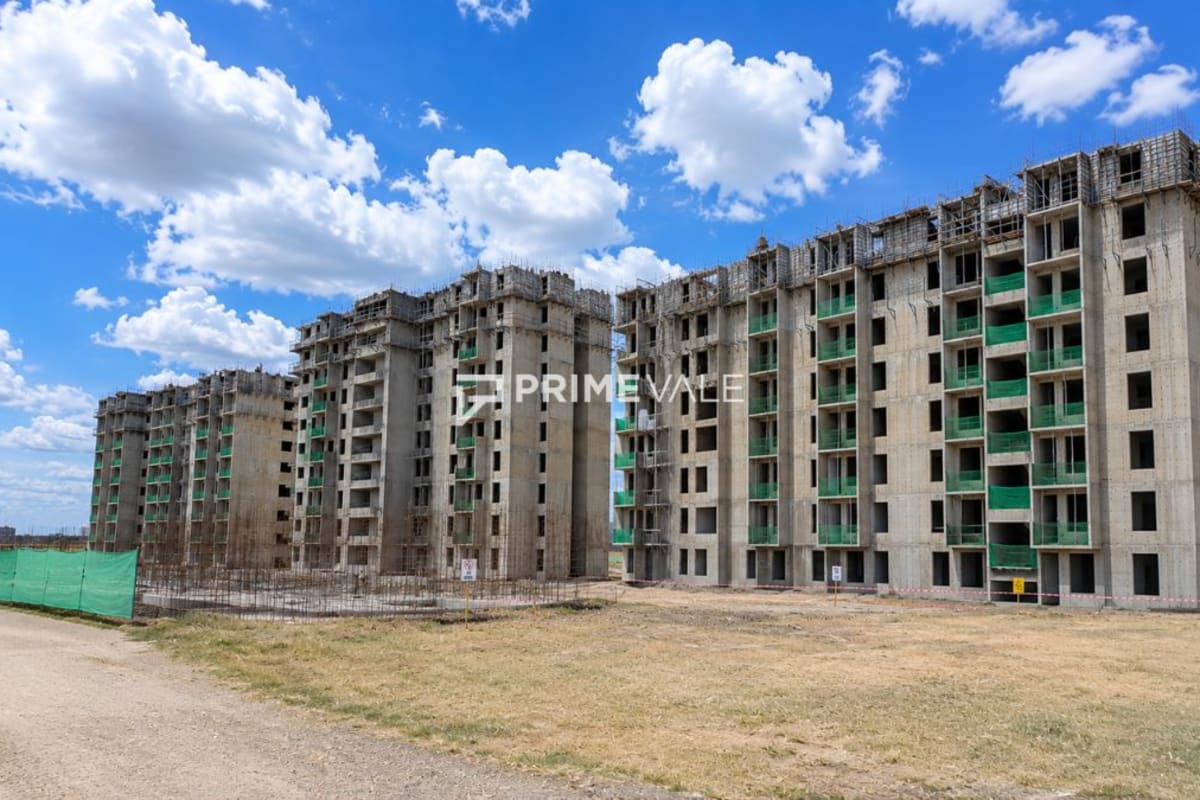
Its objectives include:
Increasing home ownership
Reducing the country's housing deficit
Creating employment in construction and related industries
Improving access to quality housing
Supporting planned urban development
The programme includes different housing categories to cater to households with varying income levels.
Projects are being developed across Nairobi and other counties, with more being added over time.
How Does Boma Yangu Work?
The process is relatively simple, although purchasing a home involves several stages.
Step 1: Register
Create an account through the official Boma Yangu platform using your Kenyan ID and personal details.
Step 2: Complete Your Profile
Applicants provide employment, income, and household information.
This information helps determine eligibility for different housing categories.
Step 3: Start Saving
Applicants begin making voluntary savings into their Boma Yangu account.
Savings demonstrate commitment and contribute towards the eventual deposit needed to purchase a housing unit.
Step 4: Browse Available Projects
Once projects become available, applicants can express interest in developments that match their preferences.
Step 5: Allocation
Qualified applicants are considered during allocation based on the programme's allocation process.
If demand exceeds available units, unsuccessful qualified applicants may remain eligible for future allocations.
Step 6: Purchase Your Home
Successful applicants proceed with financing arrangements, which may include:
Mortgage financing
Cash purchase (where applicable)
Other approved financing options
After completing the purchase process, ownership is transferred according to programme requirements.
Who Qualifies for Boma Yangu?
Eligibility depends on several factors, including citizenship, identification, and programme requirements.
Generally, applicants must meet requirements relating to:
Kenyan citizenship
National Identification
Registration on the platform
Programme eligibility rules
However, qualification becomes more detailed when considering:
Income categories
Housing type
Household circumstances
Financing eligibility
Joint applications
Special categories
Read our complete guide: Who Qualifies for Affordable Housing in Kenya?
How to Register on Boma Yangu
Registration can be completed online using the official platform.
The general process includes:
Create an account.
Verify your identity.
Complete your applicant profile.
Submit the required information.
Begin saving.
Many applicants complete registration in just a few minutes, although profile completion may take longer depending on the information required.
For a detailed walkthrough with screenshots, read:
How to Register for Boma Yangu: Step-by-Step Guide
How Boma Yangu Savings Work
One area that causes significant confusion is savings.
Applicants make voluntary savings through their Boma Yangu account.
These savings contribute towards purchasing a housing unit if allocated one.
Savings can generally be made using several payment methods, making it easy for applicants to contribute regularly or in larger amounts.
Many buyers choose to save monthly or even weekly, while others make occasional lump-sum contributions.
We'll explore:
Minimum savings
Payment methods
Refunds
Deposit requirements
Savings timelines
in our dedicated guide:
How Boma Yangu Savings Work
Is the Housing Levy the Same as Boma Yangu Savings?
No.
This is another common misunderstanding.
The Affordable Housing Levy and Boma Yangu voluntary savings are two different components of Kenya's housing framework.
The Housing Levy is a statutory contribution established under law, while Boma Yangu savings are voluntary amounts that applicants save towards purchasing a home through the programme.
Understanding the difference is important because many first-time buyers mistakenly assume that paying the Housing Levy automatically qualifies them for a house or replaces the need to save.
Learn more: Housing Levy vs Boma Yangu Savings Explained
Can Kenyans Living Abroad Buy Affordable Housing?
Yes.
The programme also provides opportunities for Kenyans living abroad to participate.
Eligible diaspora applicants can:
Register remotely
Save towards a housing unit
Apply for eligible projects
Purchase homes while living overseas
The application process is largely similar, although there may be additional considerations relating to documentation and financing.
Read our full guide: Diaspora Guide to Buying Boma Yangu Affordable Housing Units
How Are Houses Allocated?
Because demand often exceeds available housing units, allocation follows an established process.
Factors that may influence allocation include:
Economic status
Available units
Housing category
Project demand
Programme allocation procedures
Allocation aims to ensure fairness and transparency while giving qualified applicants an opportunity to purchase available homes.
So, it will be difficult for someone who is doing well, let's say who earns KSH 250,000 per month, to get allocation before someone who earns KSH 45,000 per month.
The affordable housing board will give preference to marginalised persons, vulnerable groups, youth, women, and persons with disabilities.
Read more: How Affordable Housing Allocation Works in Kenya
How Do You Pay for an Affordable Housing Unit?
Once allocated a home, buyers typically complete the purchase using one of several financing options.
Depending on the project and eligibility, these may include:
Mortgage financing
Cash purchase
Approved financing arrangements
Choosing the right financing option is just as important as qualifying for the programme.
PrimeVale's mortgage calculator can help you estimate monthly repayments and understand the overall cost of financing your home.
Frequently Asked Questions
Can I own another home and still apply?
No. The program is one citizen, one house. So if you already own a home, you cannot qualify
Can I apply with my spouse?
Some programme provisions allow joint participation, subject to eligibility requirements.
Can self-employed people apply?
Yes, provided they meet the programme's eligibility and financing requirements.
What happens if I am not allocated a house?
Eligible applicants who are not allocated a unit in one project may remain eligible for future allocation opportunities.
Can I choose any project?
Applicants can express interest in available projects, although allocation depends on availability and programme procedures.
Can I withdraw my savings?
Yes. You can withdraw funds
Explore Affordable Housing Projects
As more Affordable Housing Programme developments become available across Kenya, buyers increasingly want information beyond registration and eligibility.
They want to compare locations, understand pricing, explore floor plans, and decide which projects best suit their needs.
At PrimeVale, we're building comprehensive guides and listings for affordable housing developments across the country, making it easier to compare projects in one place and stay informed as new opportunities are launched.
Browse our latest affordable housing listings, compare available projects, and access tools such as our mortgage calculator to help you plan your purchase.
Final Thoughts
The affordable housing programme has not come without its challenges, and valid ones.
For example, some argue, why would a citizen be deducted the housing levy, then still required to purchase a home?
The other question is, who manages these projects once handed over to the residents?
How is the decency of the living conditions maintained once the government exits? Will the residents contribute service charge every month?