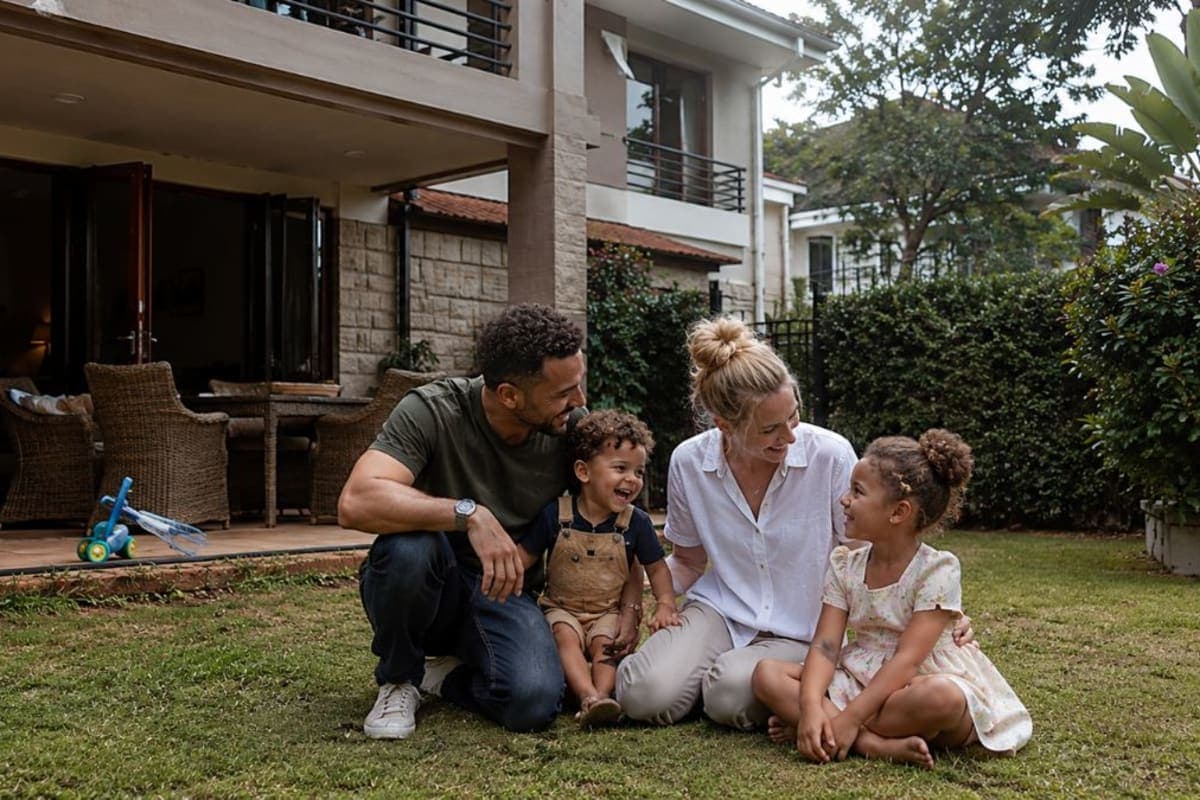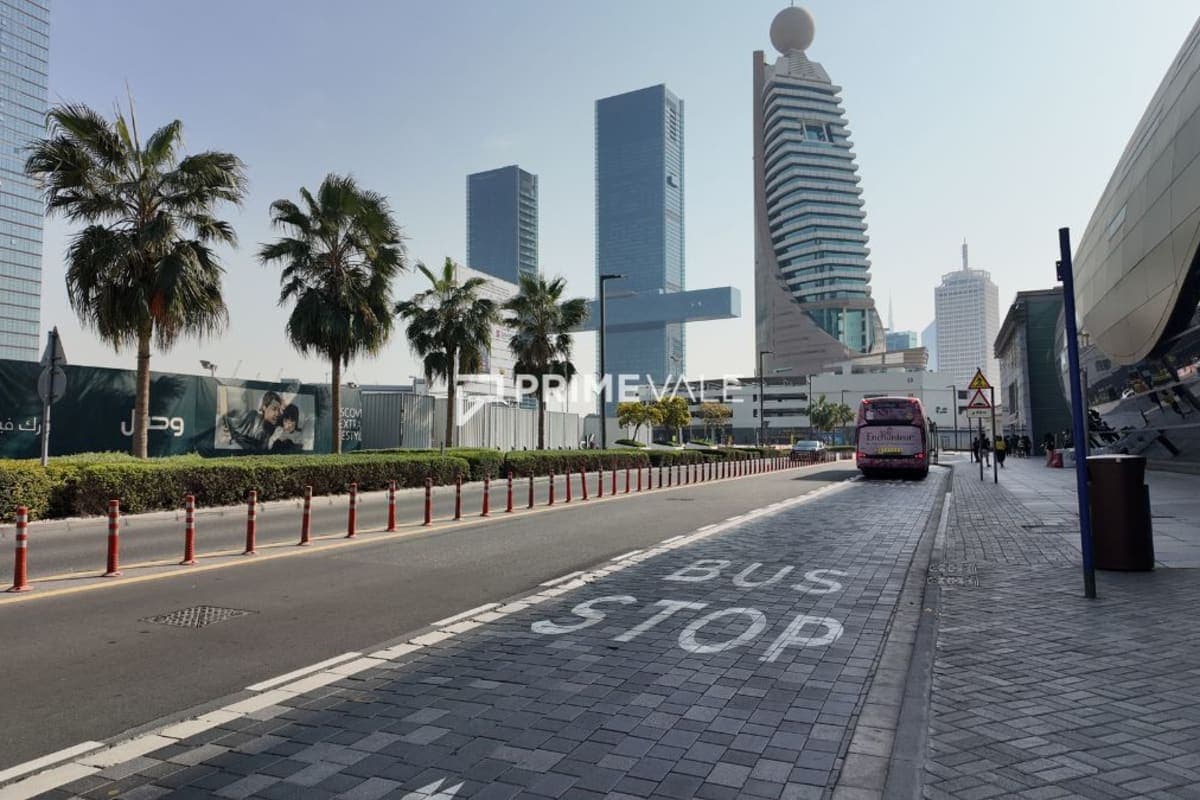

A few years ago, if you told a Kenyan investor you were putting your money into property in Dubai, they'd probably ask why you weren't just buying in Kilimani or Lavington instead.
That's changed fast.
Dubai now comes up constantly in conversations about where Kenyans are putting their money outside the country.
Part of it is reputation. Dubai has spent two decades building itself into a city that actively wants foreign investors, not just tolerates them.
The paperwork is manageable, developers offer payment plans that don't demand everything upfront, and there's no property tax eating into your returns the way there might be elsewhere.
What catches most first-time buyers off guard is how open the process actually is.
Kenyans can buy freehold property in Dubai's designated zones, full ownership! You don't need to fly out and sit through meetings either; plenty of people complete the entire purchase remotely.
Related: Why Dubai Property Brokers Are Increasingly Targeting Kenyan Investors
And if you go the off-plan route, you're often looking at payments stretched across several years rather than one lump sum.
None of that means you should jump in blind, though.
A property purchase in another country still comes with real questions: what deposit you'll actually need, whether off-plan or ready-to-move-in suits you better, what the hidden costs look like once you add them up, and which neighborhoods are worth your money versus which ones just look good in the brochure.
That's what this guide gets into.
Why More Kenyans Are Investing in Dubai
Some developers are diversifying their real estate portfolio because parts of the market are becoming saturated.
Kilimani and Westlands are prime examples. Walk through either neighbourhood, and you'll notice how many buildings look similar; same design language, same buyer chasing the same unit.
When that many similar projects hit the market at once, oversupply becomes a real risk, and that's usually what eats into prices and rental returns.
With that said, Dubai has emerged as one of the preferred destinations for several reasons.
The Emirate has established itself as a global business and tourism hub with a rapidly growing population, continuous infrastructure development, and a transparent real estate sector that welcomes international buyers.
What sets Dubai apart from markets chasing quick wins is that it's playing a longer game.
The Dubai Economic Agenda (D33) is designed to pull in more businesses, more skilled professionals, and more entrepreneurs, and all of those people need somewhere to live.
Projections put Dubai's population at just under 6 million within the next eight years, up from 4.7 million in 2026.
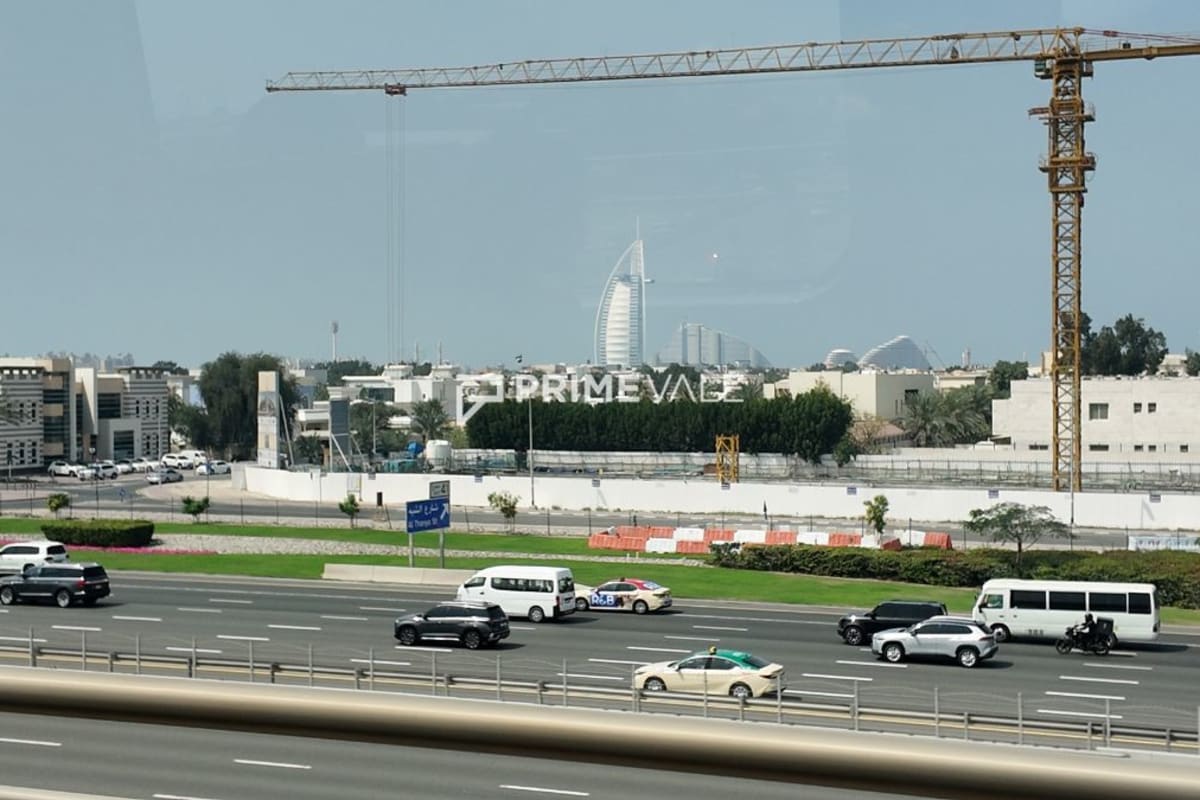
That's why you can barely look up in the city without spotting a crane.
Most of these new developments are sold off-plan, which means buyers pay in stages across the construction timeline instead of writing one enormous check upfront.
Add in strong rental demand and the pull of investing in a city that's already a household name worldwide, and it's easy to understand why Kenyan buyers keep circling back to Dubai.
The other main reason why Kenyans might want to invest in Dubai is to get the UAE investor visa.
When you invest in property worth around KSH 28 million and above, you become eligible for a 2 year residency visa, which you can use to sponsor your family as well.
Can Kenyans Buy Property in Dubai?
Yes.
Kenyans can legally buy property in Dubai, and in the designated freehold zones, you own it outright.
You do not need to be a UAE citizen or resident to buy property, and many developers allow international buyers to complete much of the purchasing process remotely.
Foreign buyers can own apartments, villas, townhouses, and other residential properties depending on the development.
Before purchasing, however, it's important to understand the type of ownership, the buying process, and the costs involved.
Related: Investing in Property in the UK: A Complete Guide for Kenyans
Is Buying Property in Dubai Right for You?
Buying property in Dubai is not for everyone.
It is an expensive affair. Most people who buy property here are seasoned investors who have already invested back home and are looking to diversify.
Generally, Dubai may be suitable if you want to:
Diversify your investments outside Kenya.
Earn rental income from an international market.
Invest in US dollar or UAE dirham-denominated assets.
Build long-term wealth through property.
Purchase a future retirement or holiday home.
Potentially qualify for UAE residency through property investment, subject to the applicable requirements.
Understanding the Dubai Property Market
One of the reasons Dubai's property market attracts investors from around the world is its diversity.
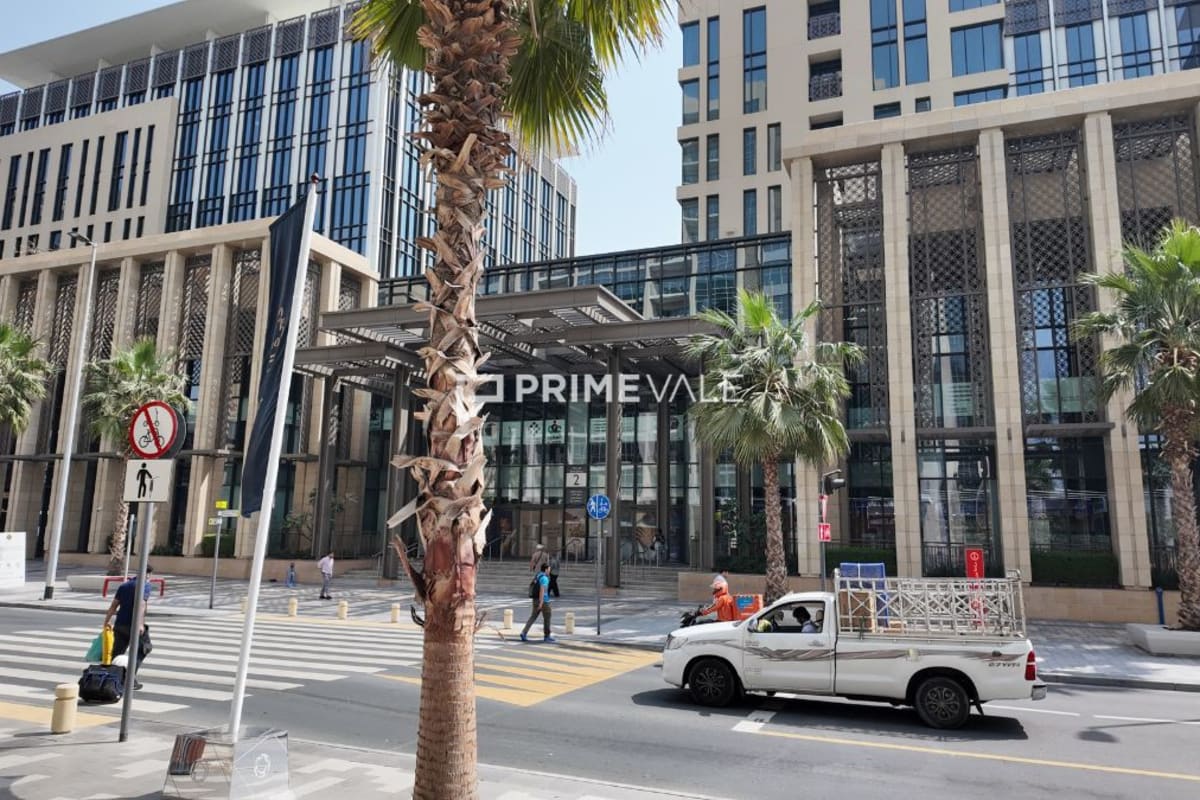
Buyers can choose from affordable apartments, family townhouses, luxury villas, branded residences, waterfront developments, and master-planned communities designed for different lifestyles and budgets.
Unlike many cities where housing development often reacts to demand, Dubai plans communities alongside infrastructure, transport networks, schools, healthcare facilities, and commercial centres.
For investors, understanding how the market works is just as important as choosing the property itself.
Off-Plan vs Ready Property
One of the first decisions you might have to make is whether to purchase an off-plan property or a ready development.
An off-plan property is purchased before construction is complete.
Buyers typically pay a deposit followed by instalments during construction, with the balance paid upon completion or through a post-handover payment plan, depending on the developer.
A ready property has already been completed and can usually be occupied or rented immediately after purchase.
Neither option is universally better, though off-plan properties offer better ROI.
According to Ayman, Founder of 26 Estates, the right choice depends entirely on your investment objectives.
Investors seeking lower entry prices and flexible payment plans often prefer off-plan developments, while buyers looking for immediate rental income or those intending to move into the property straight away may find ready developments more suitable.
How Much Money Do You Need?
Many off-plan developments require an initial down payment, with the remaining balance paid in stages as construction progresses.
Construction typically takes between two and four years, giving buyers time to spread their investment over the project lifecycle.
Beyond the purchase price, buyers should also budget for government registration fees, legal costs where applicable, agency commissions (if using an agent), service charges, and any financing costs.
One of the biggest mistakes first-time international investors make is chasing the lowest price tag and calling it a win.
Sure, the cheapest unit on the list looks tempting.
But what actually determines whether your investment performs well down the line has a lot less to do with the sticker price and a lot more to do with location, who built it, how well it was built, whether demand for that area holds up, and the kind of tenant or buyer you're likely to attract when it's time to rent or sell.
Ayman, Founder of 26 Estates, puts it plainly:
Investors should be buying quality, not just hunting for the lowest entry point.
In his experience, the developments that hold their value and keep demand strong tend to be the higher-quality ones, and those are usually the easier ones to resell too.
In an interview with The Kenyan Wall Street, he says developments from $300,000 (~KSH 38,000,000) fall under these criteria.
The Step-by-Step Buying Process
Although buying property in another country may seem intimidating, the process is relatively straightforward when working with a reputable developer or agency.
In most cases, the process follows these steps:
Define your investment goals and budget.
Choose the right property and developer.
Reserve the property by paying the booking fee.
Sign the Sale and Purchase Agreement (SPA).
Make payments according to the agreed schedule.
Complete the purchase and receive your ownership documents.
Rent out, occupy or resell the property depending on your investment strategy.
Working with experienced professionals throughout the process helps ensure that all documentation, payments, and legal requirements are handled correctly.
Can Kenyans Get a Mortgage in Dubai?
Yes, although eligibility depends on several factors, including your income, financial profile, and the lender's requirements.
Some foreign buyers choose to finance their purchase through a mortgage, while others prefer to take advantage of developer payment plans available on off-plan projects.
Each option has advantages depending on your financial circumstances and investment goals.
Risks to Consider
Like any investment, buying property in Dubai carries risks.
These may include:
Choosing the wrong location.
Buying from an inexperienced developer.
Overestimating rental returns.
Not understanding service charges and ongoing ownership costs.
Purchasing without a clear investment strategy.
Carrying out proper due diligence and seeking professional advice can significantly reduce these risks.
Dubai vs Kenya: Should You Invest in Both?
Kenyan property offers familiarity, local market knowledge and opportunities within a growing economy.
Dubai, on the other hand, provides international diversification, exposure to a global real estate market, flexible payment plans, and income in a different currency.
Many experienced investors view the two markets as complementary rather than competing investment destinations.
Frequently Asked Questions
Can Kenyans legally own property in Dubai?
Yes. Foreign nationals, including Kenyans, can own property in Dubai and own freehold property in designated areas.
Can I buy property while living in Kenya?
Yes. Many developers and agencies facilitate remote purchases.
How much deposit do I need?
This varies depending on the developer, payment plan, and whether you're using a mortgage.
Can I rent out my property?
Yes, subject to Dubai's applicable laws and regulations.
Is buying off-plan safe?
Buying from reputable developers with a proven track record significantly reduces risk, but due diligence is always important.
Can I sell my property later?
Yes. Subject to the terms of your purchase agreement and applicable regulations, property can generally be resold.
Final Thoughts
Successful investing isn't about buying the cheapest property or following market trends. It starts with understanding your goals, researching the market, working with trusted professionals, and choosing quality developments with strong long-term potential.
Whether you're buying your first international property or expanding an existing portfolio, taking the time to understand how Dubai's property market works will help you make more informed investment decisions.