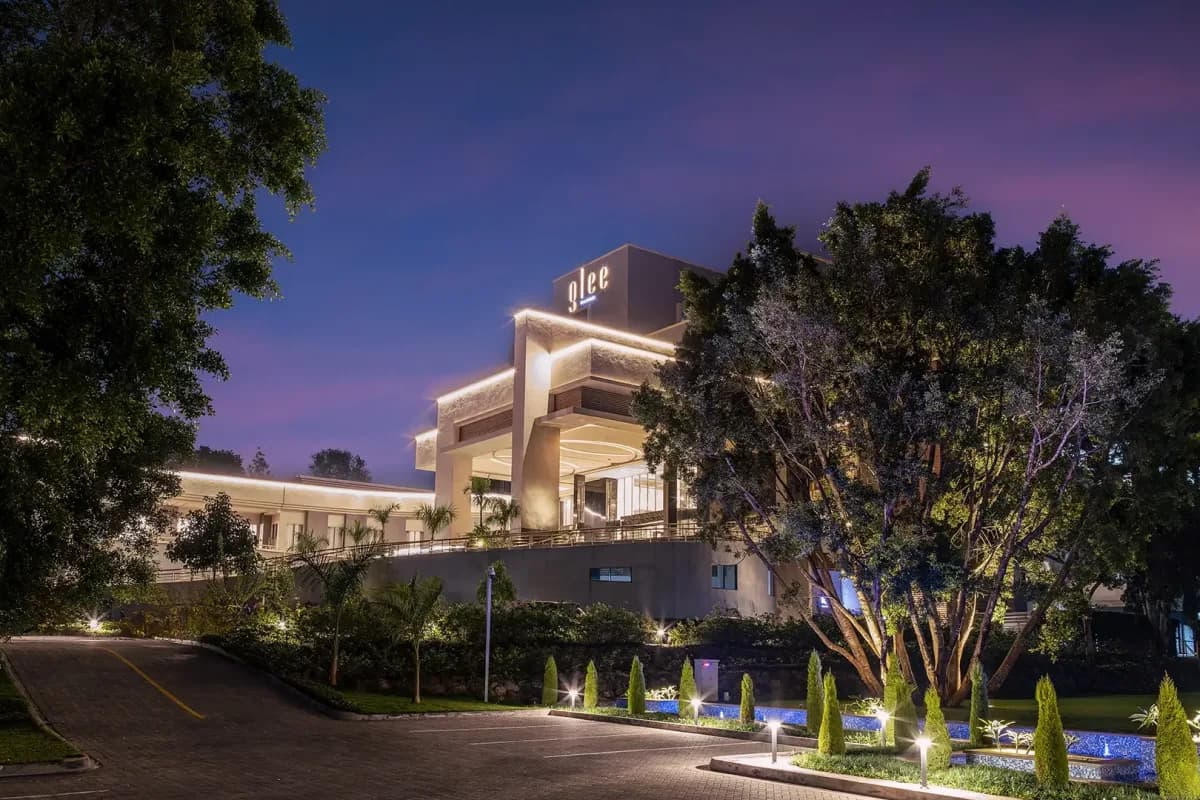

So, one of Nairobi's most iconic luxury hotels, which has been operating for less than three years, has officially been placed under administration.
If you've followed Glee Hotel's journey, this may not come as a complete surprise. For much of its short life, the hotel has been caught up in court battles over billions of shillings owed to Equity Bank. Now, those legal disputes have reached a point where the bank has appointed an administrator to take over the hotel's affairs.
But what exactly does that mean?
Administration is a legal process where an independent professional is brought in to run a company that is struggling to pay its debts. Instead of immediately shutting down or selling the business, the administrator tries to stabilize operations, protect assets, and, if possible, find a way to save the company or repay creditors.
For guests, the hotel is not closing its doors. Many businesses continue operating while under administration.
Glee Hotel has been placed under administration over a Sh7.75 billion debt owed to Equity Bank. The bank has appointed insolvency practitioner Kamal Anantroy Bhatt to manage the hotel's affairs, meaning the directors no longer have control over the company's assets or major decisions.
Just a few weeks ago, the High Court had given the hotel's owner, businesswoman Mary Wambui Mungai, seven days to pay Sh100 million to stop the property from being auctioned. She had hoped to refinance the debt through KCB Bank, but the court ruled there was not enough evidence that the financing had been completed.
When Glee Hotel opened in Runda, it was seen as a major addition to one of Nairobi's most prestigious neighbourhoods. Its location made perfect sense. It sits close to the United Nations offices in Gigiri, several embassies and diplomatic missions, making it an attractive option for business travellers, diplomats, expatriates, and high-end tourists.
The hotel quickly built a reputation for luxury accommodation, fine dining, and conference facilities, giving Nairobi another premium hospitality destination outside the traditional city centre.
Unfortunately, the hospitality industry has not had an easy ride in recent years. Rising operating costs, high interest rates, and expensive financing have made it harder for many hotel owners to service loans, even when their properties are performing well.
Glee is not the first hotel in Kenya to face administration or financial restructuring. Over the years, several hospitality businesses have gone through similar challenges, with some recovering through restructuring while others changed ownership after lenders stepped in.
What This Means
At PrimeVale, we see this as a reminder that prime location and a beautiful development do not always guarantee financial success.
Runda remains one of Nairobi's most sought-after addresses, and Glee Hotel occupies a strategic location that many hospitality investors would still consider highly valuable. The surrounding area continues to benefit from demand driven by embassies, international organisations, expatriates and corporate travellers.
The bigger lesson is that real estate is not just about building impressive projects. It is equally about sustainable financing, managing debt and ensuring developments can withstand changes in the economy. As Kenya's property market continues to mature, we are likely to see more restructuring of debt-heavy developments before the market finds its balance.
For now, Glee Hotel enters a new chapter. Whether it successfully recovers under administration or eventually changes hands is something the market will be watching closely.