

For nearly 20 years, Nairobi has relied on planning rules that were written for a very different city.
Back then, Nairobi had fewer people, less traffic, fewer high-rise apartments and far less pressure on infrastructure. Since then, the city has grown rapidly, but many of the rules guiding development remained largely unchanged.
That is now changing.
Nairobi City County has introduced a new Development Control Policy, bringing major changes to how land is developed, how projects are approved and what developers will be expected to contribute before construction begins.
Some of these changes could increase the cost of development. Others could make certain neighbourhoods more valuable, speed up approvals or encourage more sustainable construction.
Whether you're a property developer, investor, homebuyer or simply curious about Nairobi's future, here's what you need to know.
The biggest changes at a glance
The new policy introduces several significant reforms that are likely to influence Nairobi's real estate market over the coming years.
Some of the headline changes include:
A new Development Impact Fee for many new projects.
A new zoning framework that reduces Nairobi's planning zones from 20 to 15.
More development around Bus Rapid Transit (BRT) and commuter rail corridors.
New green building requirements and incentives.
Digital development approvals through an online permit system.
New planning obligations for larger developments.
More involvement from resident associations during the planning process.
The introduction of Air Rights, allowing unused development rights to be transferred in designated areas.
Some of these changes will affect developers directly, while others could influence property prices, land values and where future investment flows.
Why this matters even if you're not a developer
Planning policies don't just affect architects and construction companies.
They influence where apartments are built, how tall buildings can be, how quickly neighbourhoods grow, and even how much you buy an apartment for.
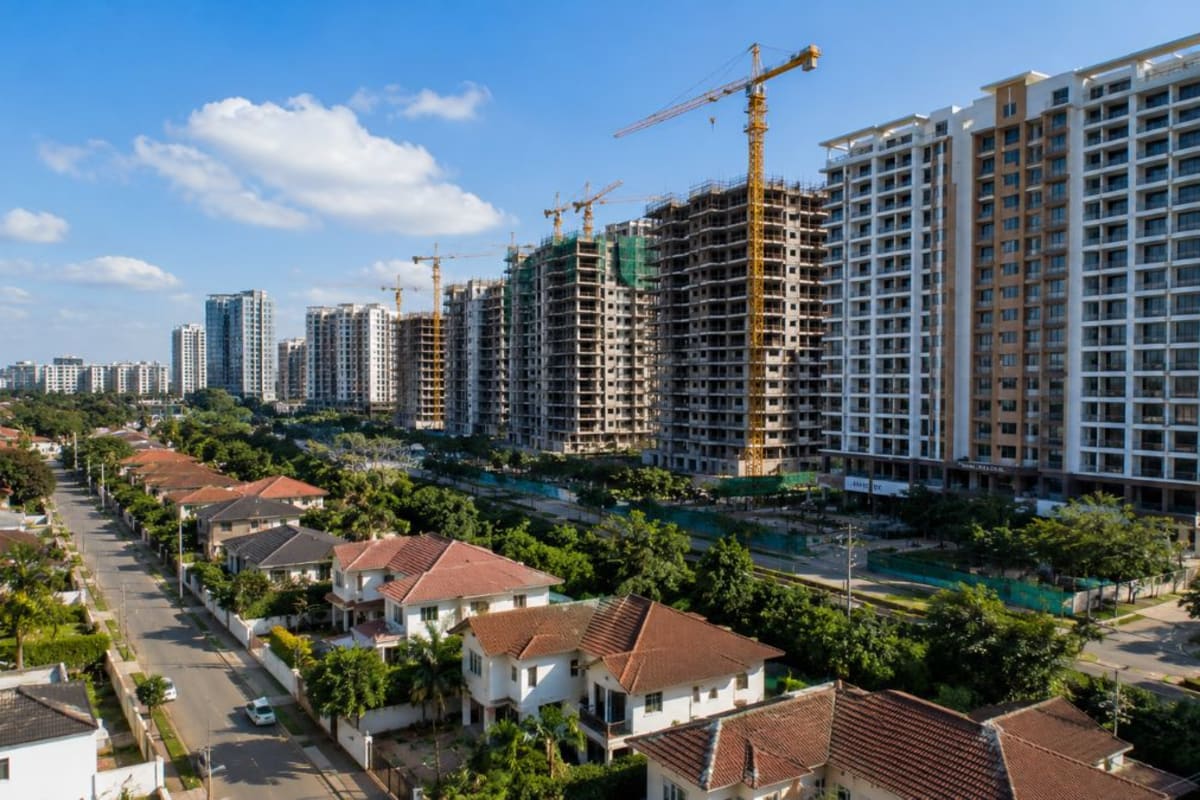
For example, if an area is allowed to accommodate taller buildings, demand for land there may increase, which might increase sale prices.
On the other hand, areas with tighter development controls may experience slower redevelopment.
The new policy is also designed to ensure that, as Nairobi grows, infrastructure such as roads, drainage, parks, and public facilities grow alongside it.
What happens next?
Not every proposal will transform the market overnight.
Some measures require additional regulations, new by-laws, and implementation frameworks before they become fully operational. Others, such as the move towards digital approvals and updated zoning controls, are expected to shape development decisions much sooner.
For developers, investors, and landowners, understanding these changes early could provide an important advantage when planning future projects or acquisitions.
Our guide to Nairobi's new planning and zoning rules
To make the policy easier to understand, we've broken it down into a series of simple guides.
Start with whichever topic interests you most:
1. The New Development Impact Fee Explained
A look at the new fee developers may have to pay before receiving a building permit, how it works and who is likely to be affected.
2. How Nairobi's New Zoning Rules Could Change Land Values
Why some neighbourhoods could become more attractive to developers while others may face tighter controls.
3. Winners and Losers Under Nairobi's 15 New Development Zones
Which types of developments stand to benefit most from the new planning framework.
4. Why BRT Corridors Could Become Nairobi's Hottest Property Investment
How public transport could reshape demand for land and housing across the city.
5. What Air Rights Could Mean for Apartment Developers
A simple explanation of one of the most interesting proposals in the new policy and why it could create a new market for development rights.
6. The New Green Building Rules Every Developer Should Know
From solar-ready buildings to rainwater harvesting and EV charging, here's what the future of development may look like.
7. Why Resident Associations Will Have More Say Over New Developments
How community groups are being given a larger role in planning decisions and what that could mean for future projects.
8. Everything Changing in Nairobi's Development Approval Process
A step-by-step guide to the new approval system, digital permits and what developers should expect.
Other notable changes worth knowing
Zoning Law | Why it matters | |
|---|---|---|
Developers must repair any public infrastructure damaged during construction | Adds potentially significant project costs. Roads, pavements, drains and utilities must be restored before occupation certificates can be issued. | |
Occupation Certificates tied to infrastructure restoration | Developers can't simply finish the building. They must restore damaged public infrastructure first. This can delay handover to buyers. | |
Traffic Impact Assessments (TIAs) | Large developments may need to demonstrate they won't overwhelm surrounding roads, potentially adding consultant costs and design changes. | |
Infrastructure capacity becomes a planning issue | Water, sewer and drainage capacity are now central considerations. Some developments could be limited because existing infrastructure can't support them. | |
Construction Management Plans | Developers may have to submit plans covering construction logistics, access, safety, traffic and environmental management before approval. | |
Environmental performance standards go beyond NEMA | The county introduces its own sustainability expectations in addition to existing environmental approvals. | |
Digital compliance tracking | Approvals, payments and compliance become digitally tracked, making it harder to bypass approval stages or resolve issues informally. | |
Post-construction compliance | The county signals more inspections after construction rather than treating approval as a one-time event. | |
Periodic zoning reviews | Landowners can't assume today's development rights will remain forever. Future reviews could affect land value. | |
Planning linked to infrastructure investment | Future upzoning will increasingly depend on where roads, BRT, sewer and utilities are expanded. This has major implications for investors. | |
Infrastructure-first planning | Instead of approving density first and infrastructure later, the county wants infrastructure to determine how much can be built. That's a major philosophical shift. | |
Neighbourhood character protection | Some low-density areas may intentionally remain protected from intensive redevelopment, affecting future land appreciation. | |
Climate resilience requirements | Flood-prone areas and environmentally sensitive land may face additional design requirements and restrictions. | |
County Engineer given greater authority | Infrastructure compliance is no longer just a planning issue. The County Engineer has a bigger role in determining whether projects have met requirements. |
A new chapter for Nairobi
Cities never stop evolving, and neither should the rules that shape them.
The new Development Control Policy is one of the most significant updates to Nairobi's planning framework in nearly two decades. While some changes may increase development costs, others aim to create a more predictable, transparent, and sustainable environment for investment.
As these reforms are rolled out, they are likely to influence everything from land values and apartment development to infrastructure investment and the future skyline of Nairobi.
We'll continue updating this guide as more regulations, zoning maps and implementation details become available, so be sure to check back for the latest analysis.