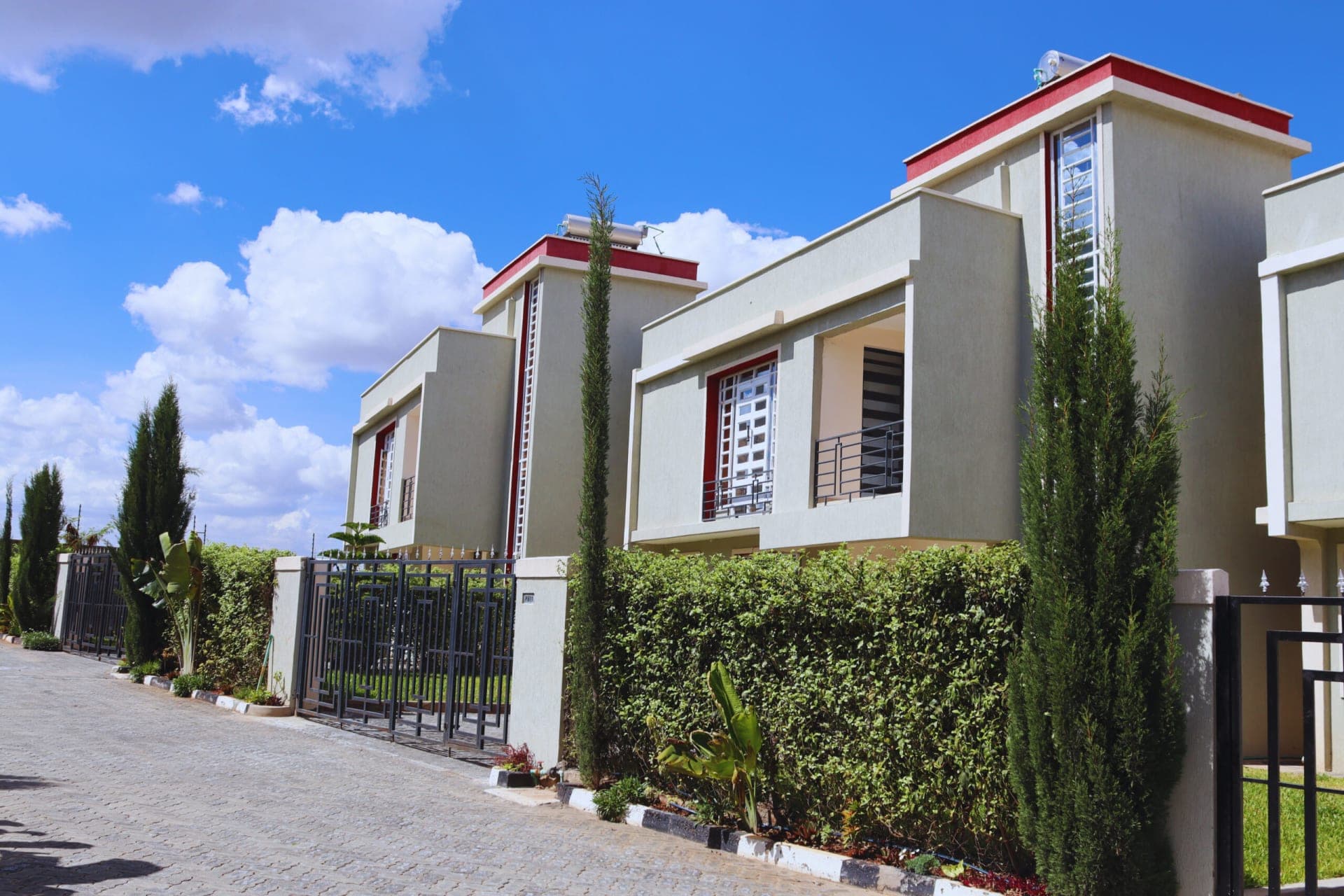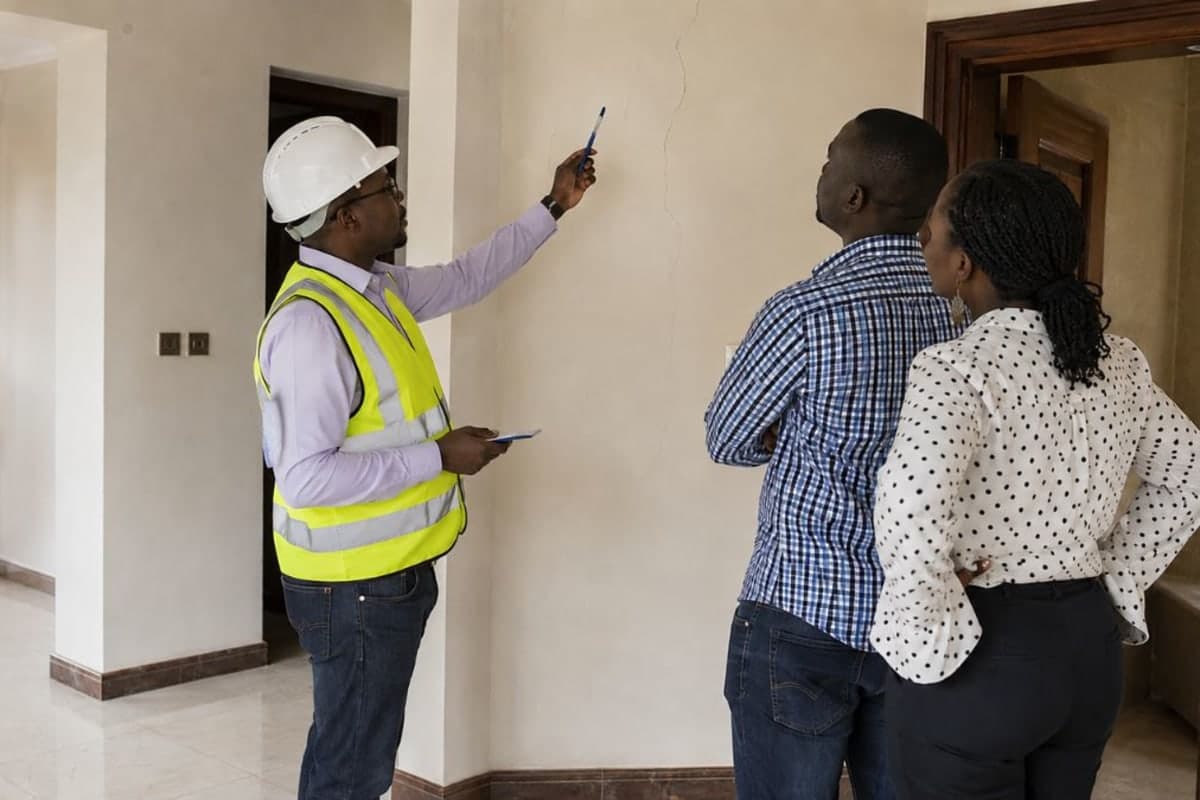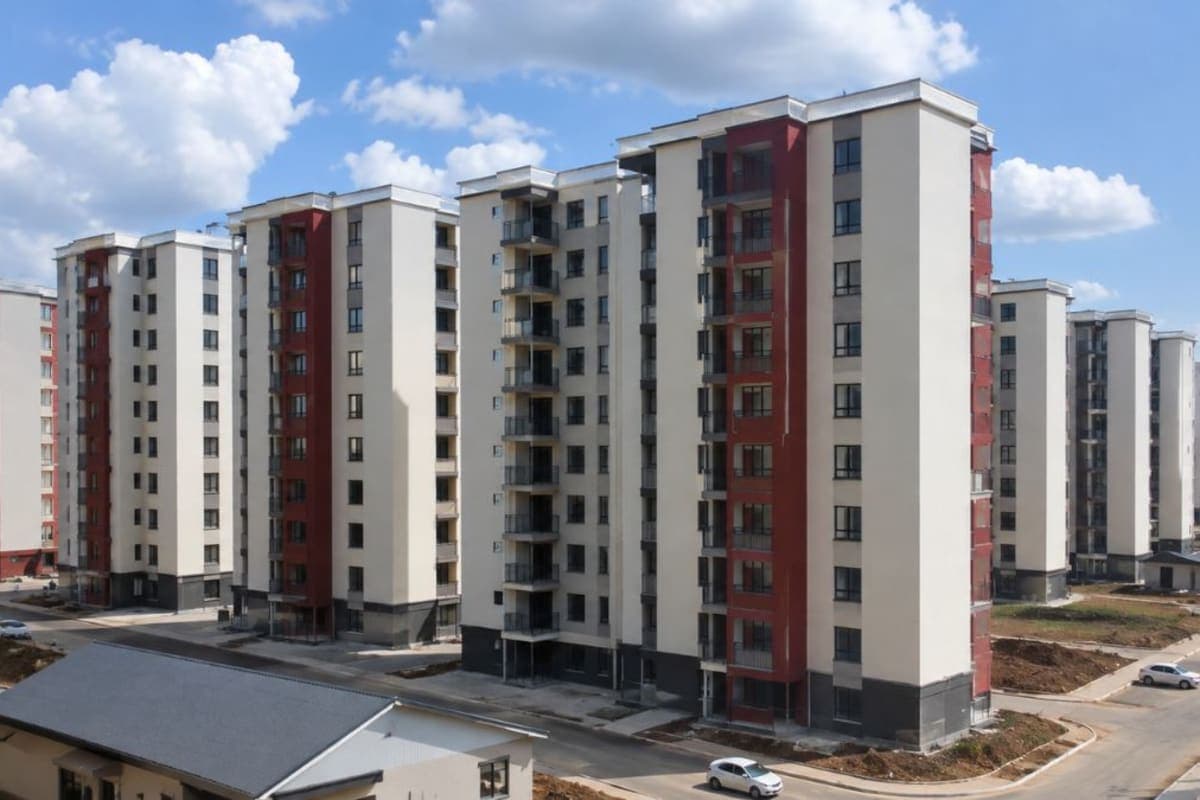

Imagine buying a quiet home in a low-density neighbourhood.
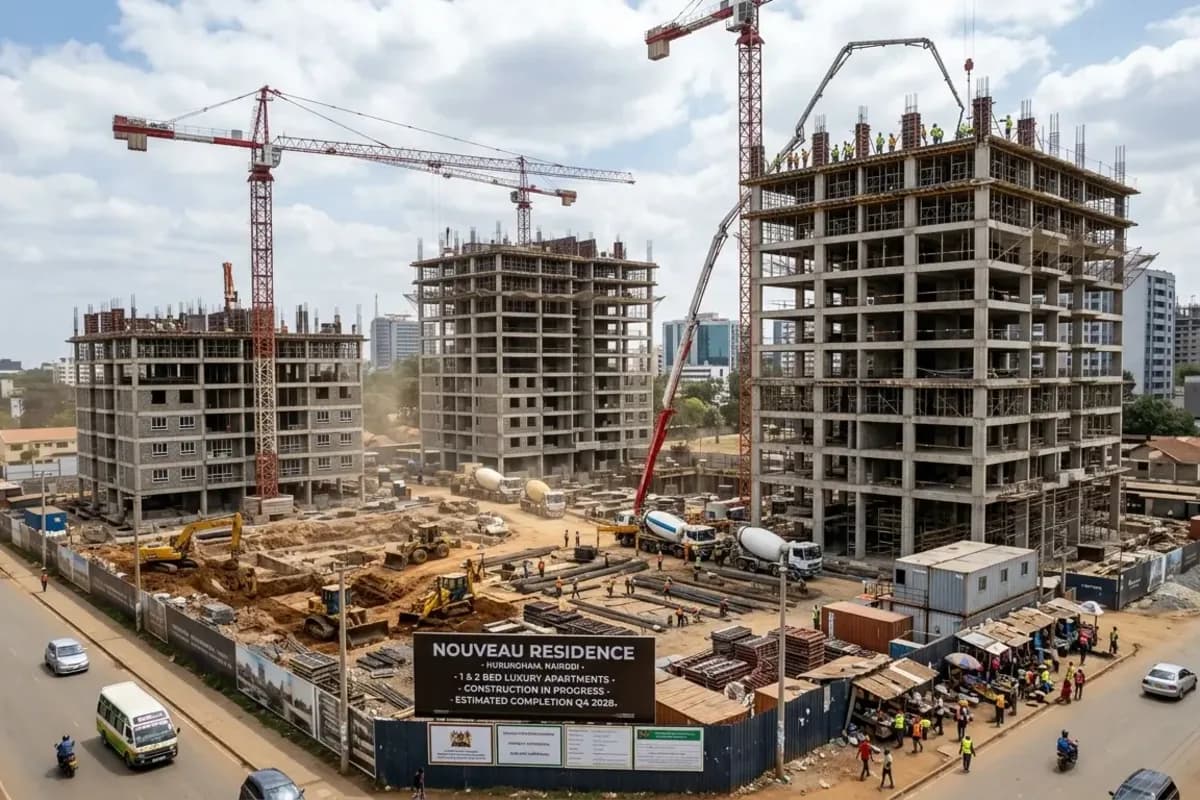
A few months later, you wake up to discover a 20-storey apartment block has been approved next door.
For years, many residents have felt they only learn about major developments after approvals have already been granted.
Nairobi's new Development Control Policy is trying to change that.
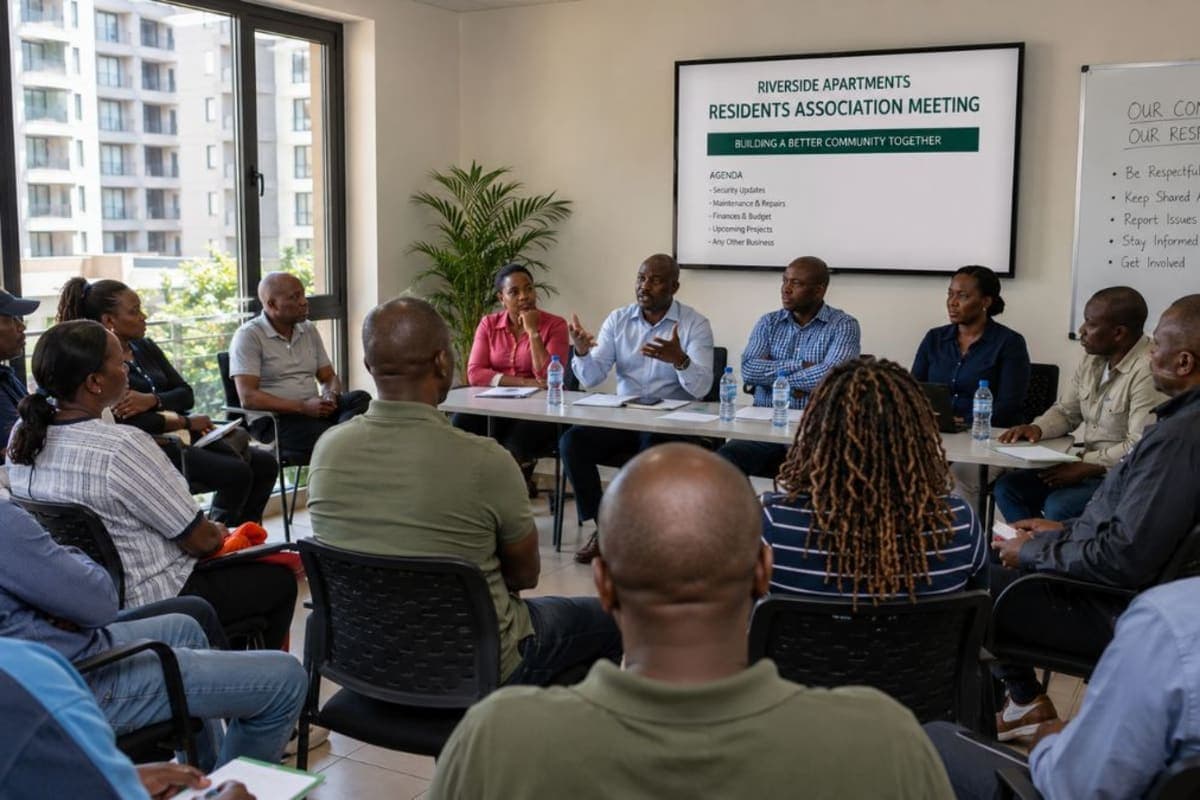
The policy gives recognised resident associations a more formal role in the planning process, making them an important voice in how neighbourhoods evolve.
Who are resident associations?
Resident associations are organised groups representing people living in a particular estate or neighbourhood.
Many areas in Nairobi already have active associations that deal with issues such as security, waste collection, roads and environmental conservation.
Under the new policy, these groups could also become more involved in development matters.
So, what's changing?
The county plans to officially recognise registered resident associations and create a structured framework for working with them.
That means recognised associations may:
Be consulted on development matters affecting their neighbourhood.
Share community concerns during the planning process.
Receive information more formally from the county.
Participate in resolving disputes between residents and developers.
The county will also maintain a public register of recognised resident associations and clearly define the areas each association represents.
Does this mean residents can stop developments?
Not necessarily.
The new policy does not give resident associations the power to approve or reject projects on their own.
Planning decisions will still be made by Nairobi City County.
However, associations are expected to have a stronger voice, particularly for projects that could have significant impacts on traffic, infrastructure, the environment or the character of a neighbourhood.
What does this mean for developers?
For developers, community engagement may become even more important.

Instead of waiting until concerns become objections, developers who engage residents early may find it easier to explain their projects and address issues before construction begins.
Open communication can often save time, reduce conflict, and improve relationships with surrounding communities.
What if disagreements arise?
The policy also introduces a clearer path for resolving disputes.
If developers and resident associations disagree over a project, they are encouraged to first use the county's Alternative Dispute Resolution (ADR) mechanisms before escalating the matter through formal planning or legal channels.
The idea is to solve problems through dialogue rather than lengthy legal battles wherever possible.
Why this matters
Cities work best when growth is balanced with the needs of the people who already live there.
By giving resident associations a clearer role, Nairobi hopes to improve transparency and encourage more collaborative planning.
For developers, this means successful projects may depend not only on good architecture and financing but also on building trust with the surrounding community.
For residents, it offers an opportunity to participate more meaningfully in conversations about how their neighbourhoods change over time.
The bigger picture
Greater community participation is only one part of Nairobi's wider planning reforms.
The city is also introducing new zoning rules, a Development Impact Fee, greener building standards, and a fully digital development approval process aimed at making planning more transparent and predictable.
Related reading: If you missed it, read The New Development Impact Fee Explained, where we break down one of the biggest financial changes in Nairobi's new planning policy.