
Many times, when we undertake property due diligence, we focus mainly on the legal aspects of the transaction.
This means establishing whether the land is free of fraud and supported by clear documentation, whether the property has been developed in accordance with the required building codes and zoning regulations and whether the proper procedures were followed in acquiring the property.
However, we do not always pay enough attention to the long-term physical condition of the property.
This is where property inspection becomes more relevant.
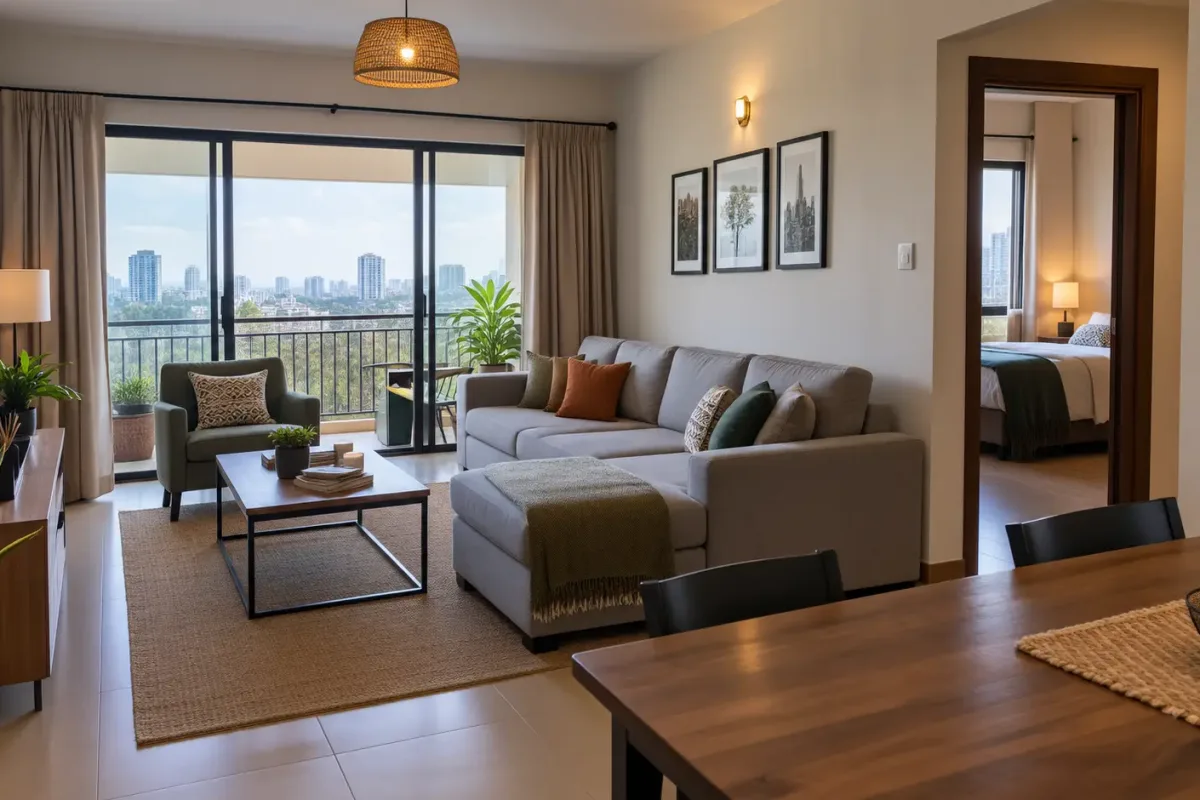
The average buyer is known to make a purchase on how attractive the apartments (in renders) or land (by location) look rather than on how physically fit they are.
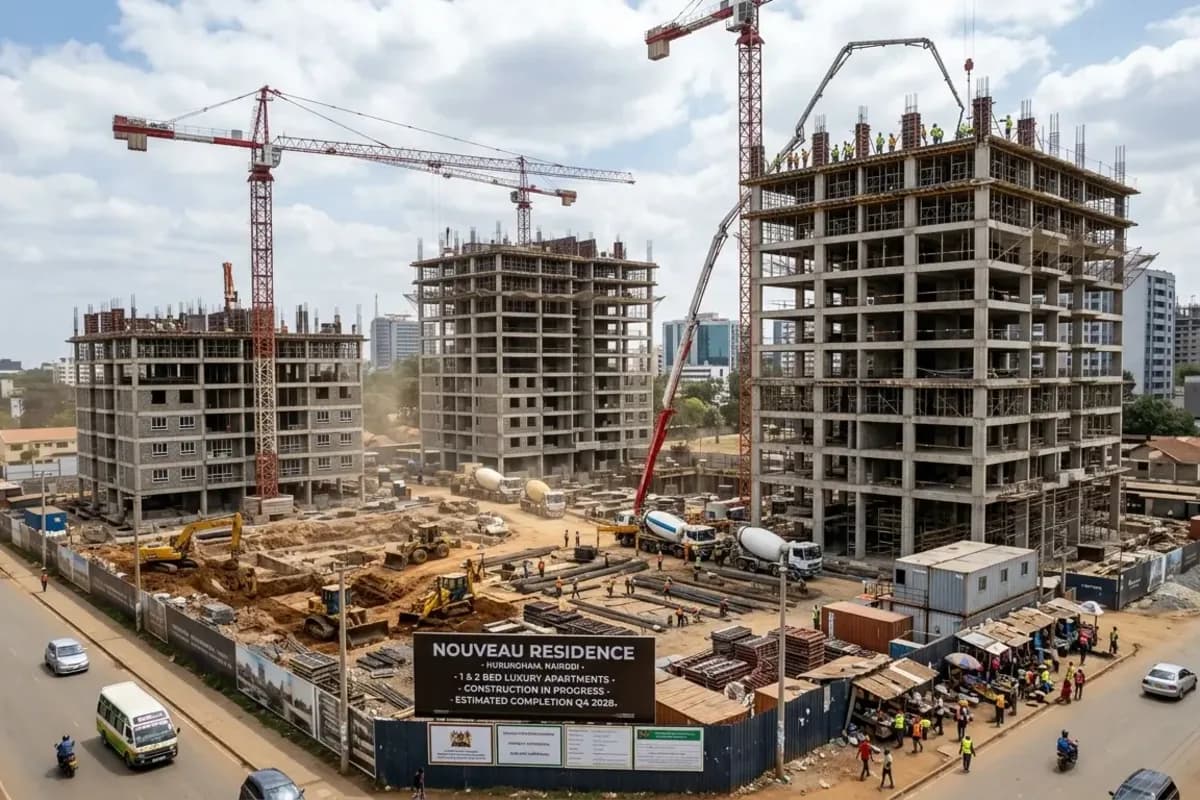
This makes it important to work with a trustworthy developer, especially if you have little knowledge of how the building was constructed and whether it contains latent defects. Such defects are not immediately visible during a normal viewing.
Even construction photographs and drawings may not tell the full story of what was actually done on site.
For example, they may not reveal the type or grade of concrete class used during construction.
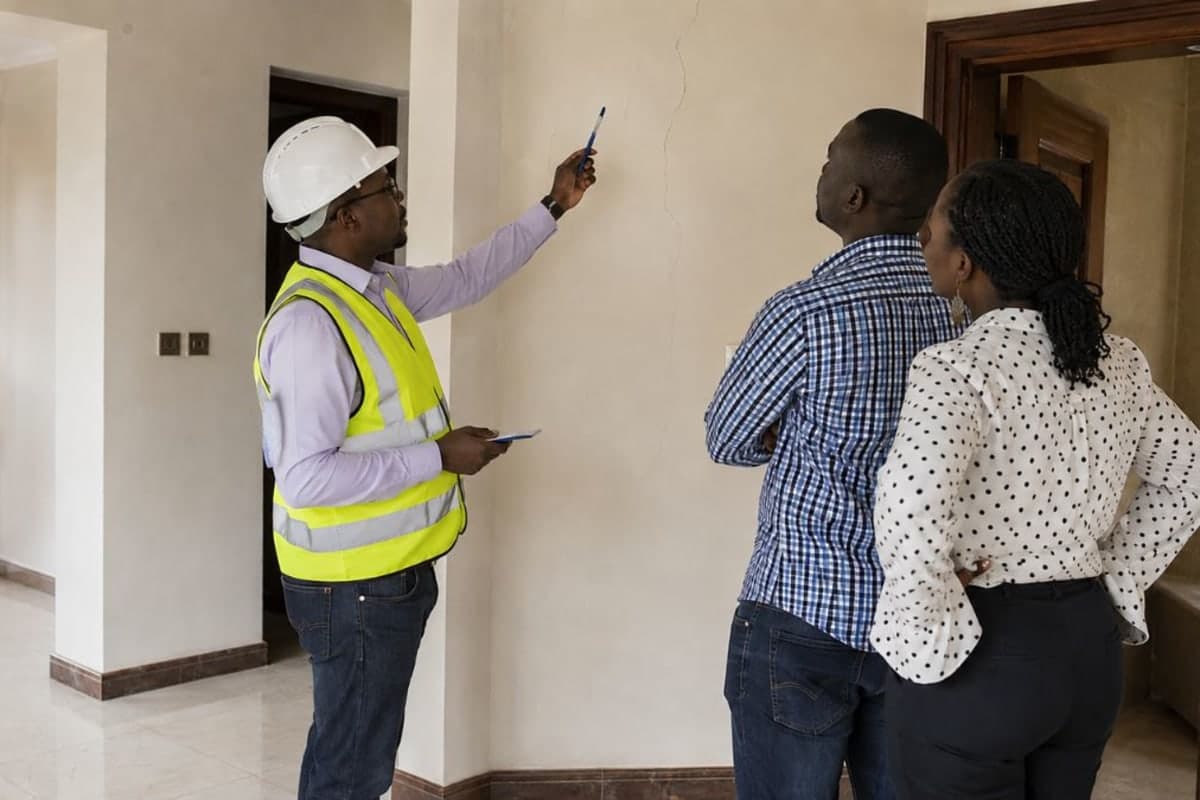
Just as you need a lawyer and a realtor during a property purchase, you also need a building and construction consultant to assess the building’s physical condition and performance.
The first consideration should be basic building performance. Is there adequate natural lighting? Is the building properly ventilated? Are the plumbing and drainage systems functioning correctly? A search for structural safety then follows.
Related: Best Practices When Building Property Back Home From The Diaspora
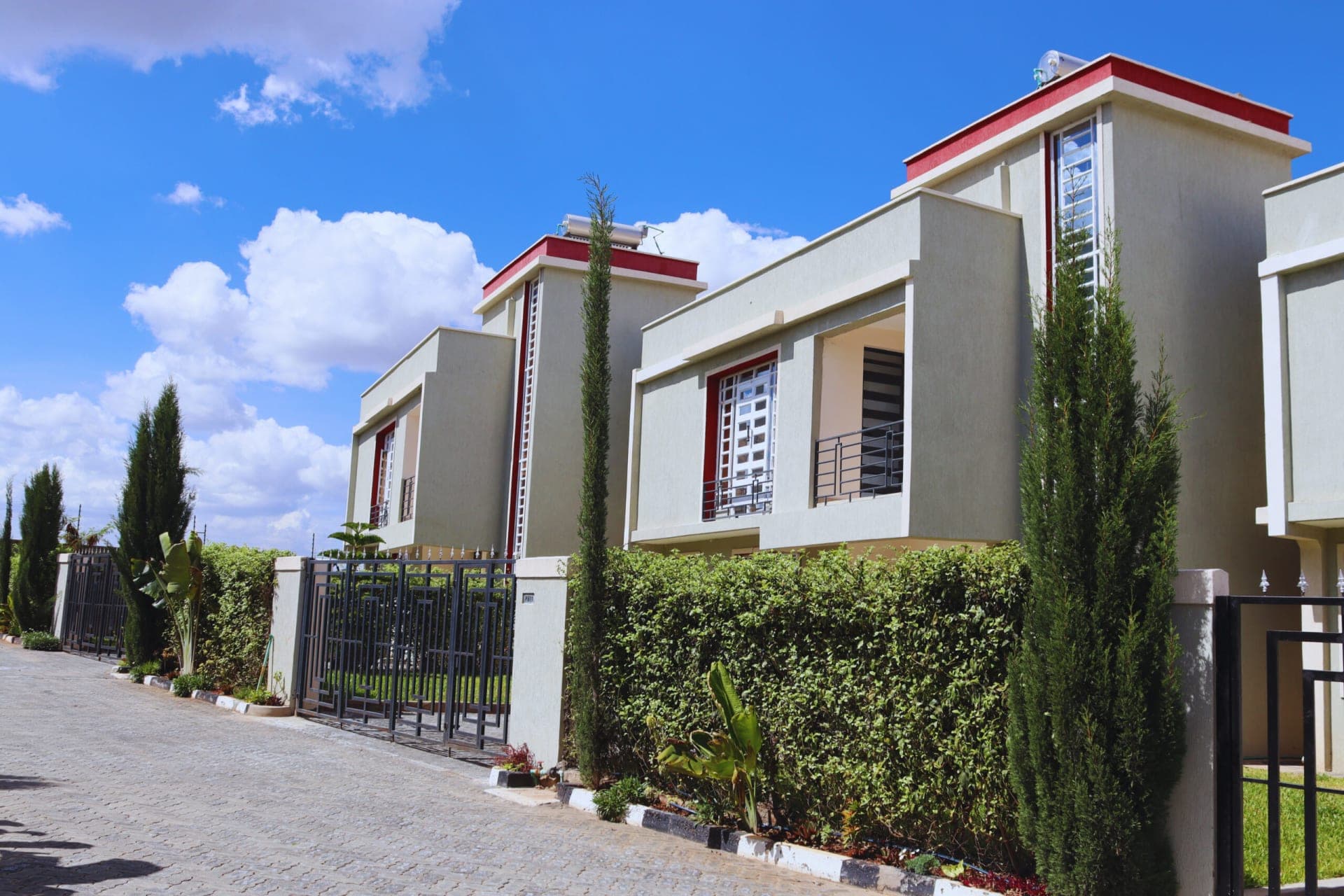
In addition to requesting the approved drawings, the inspection should look at the safety of the building.
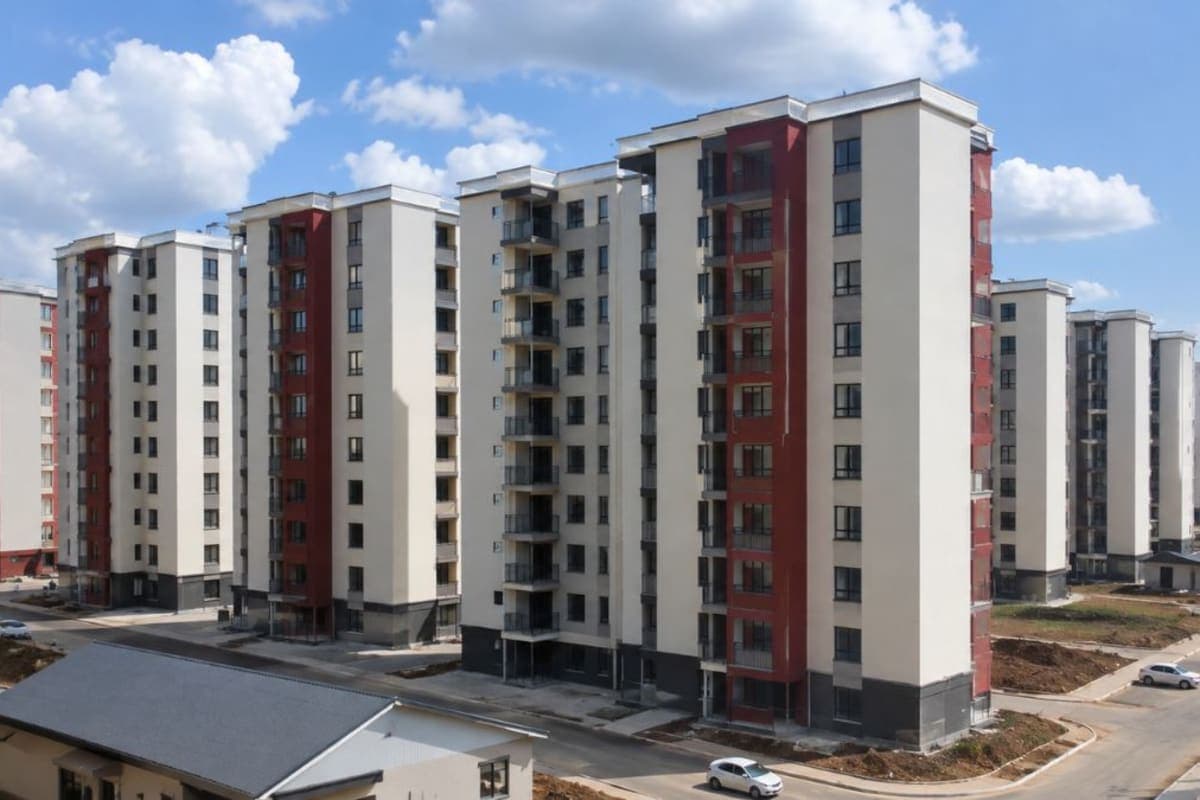
Are there signs of poor workmanship, dampness, significant cracks, sagging in structural members, slabs vibrating excessively, or settlement around the building or in the surrounding landscape?
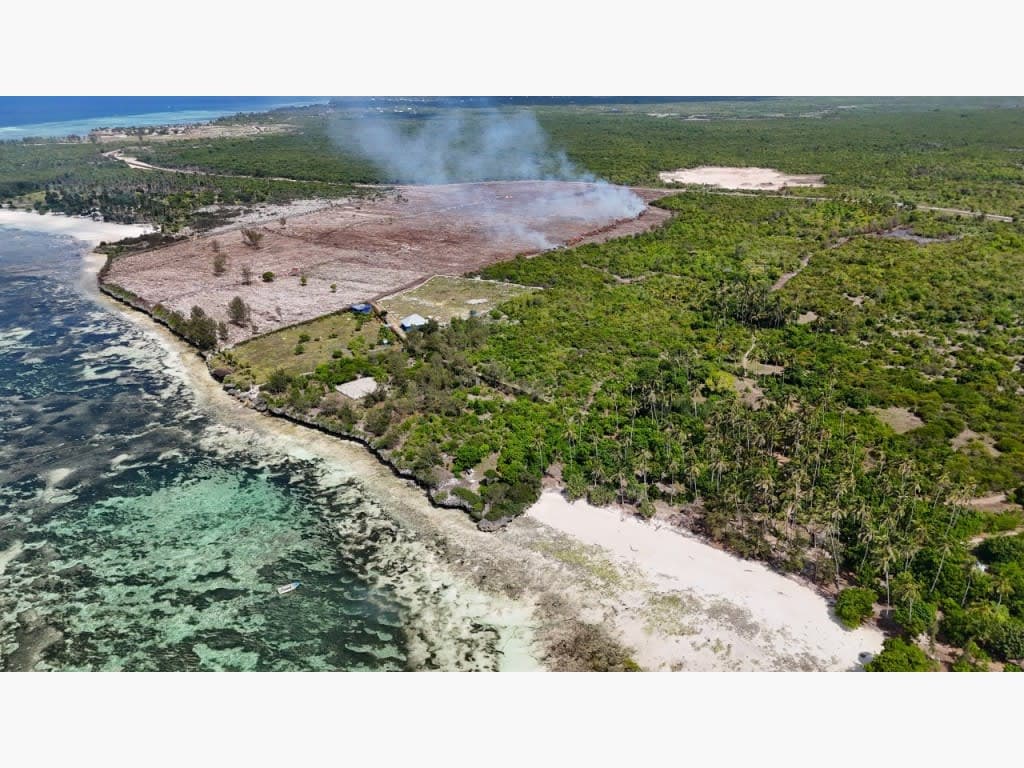
If buying land, whether for speculation or for actual development, a physical inspection still applies.
You need to pay attention to its physical condition, ideally with the help of a land surveyor. You need to visit the land and assess its drainage, accessibility, topography, boundaries, and general site conditions.
Related: The Additional Costs of Buying a Home in Kenya
For someone intending to develop, a difficult site can mean significantly higher construction costs, and if reselling, it's likely to be less attractive to a future buyer who intends to build on it regardless of having legit ownership documents.
Property inspection therefore forms part of understanding the whole-life cost of a property as a supplement to its acquisition price, and the use of professionals in the same process is equally very important.
Always play safe for the long term.
Talk to us at rickfes.co.ke for comprehensive property inspections as you begin to invest in Kenya`s growing real estate portfolio.