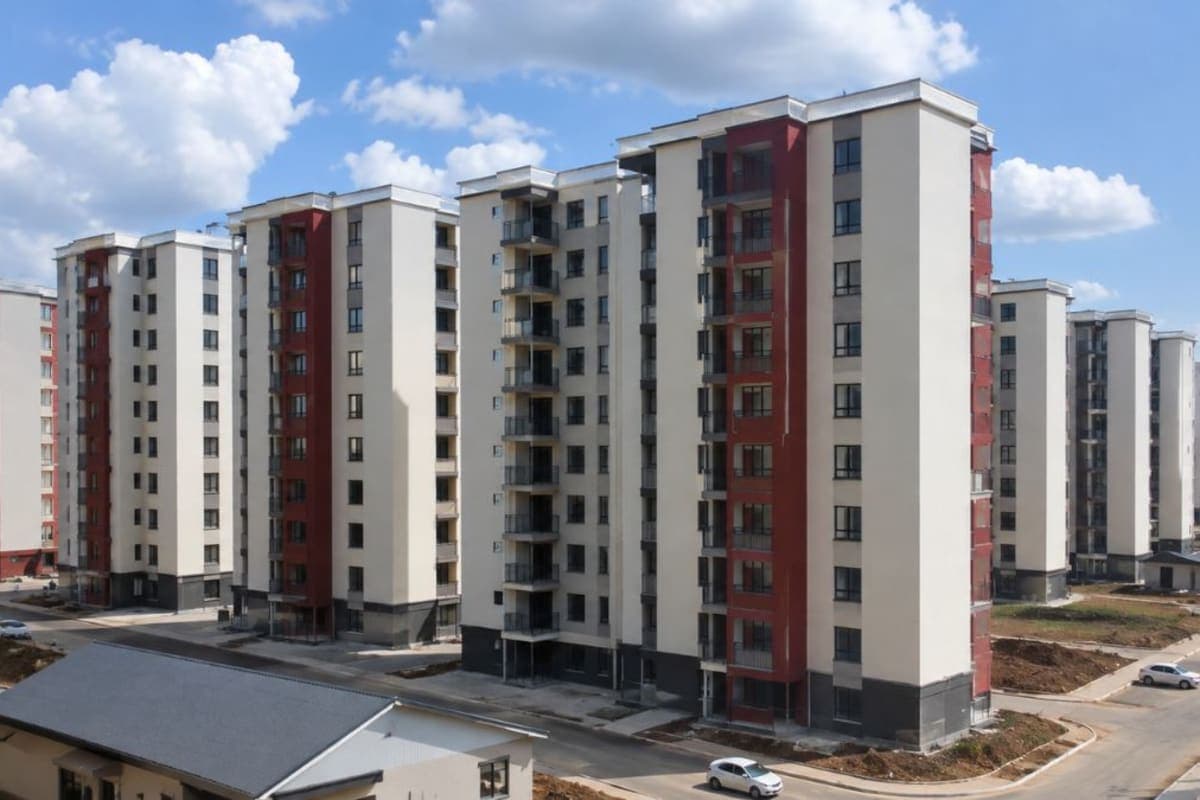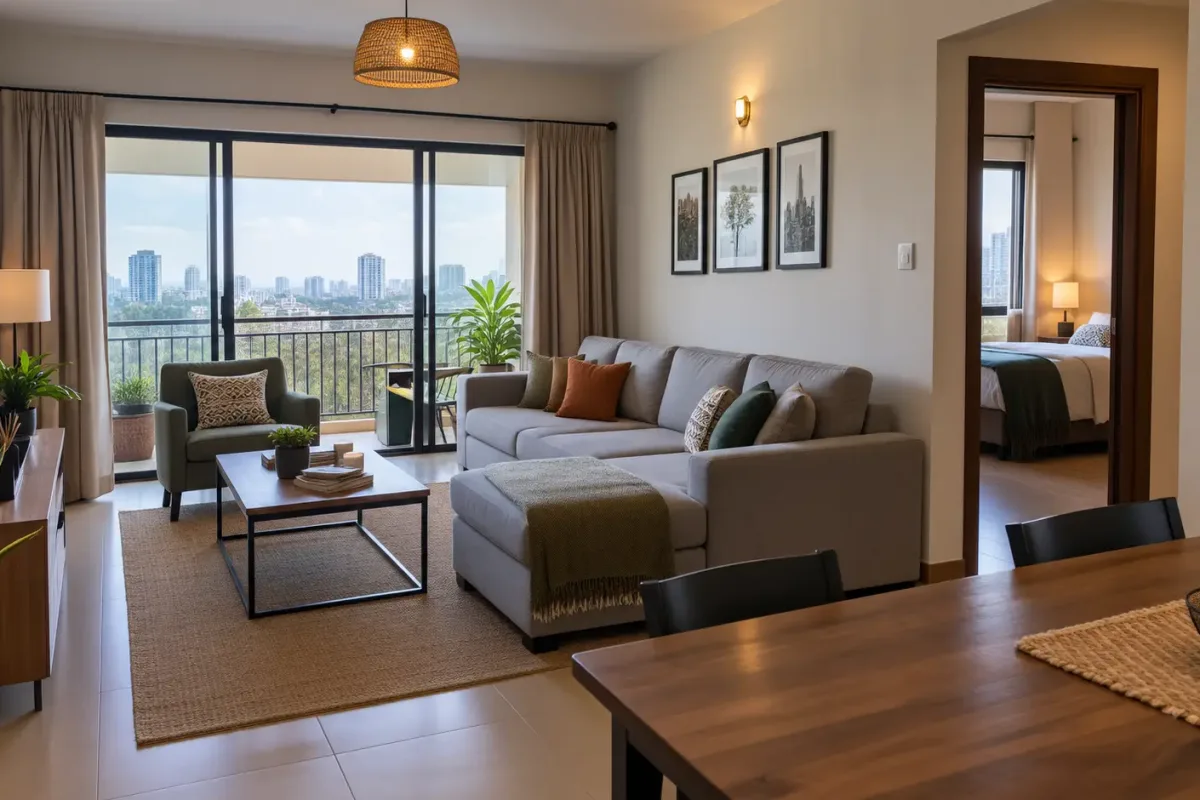

Buying an apartment in Nairobi is a dream for many Kenyans, whether it's for investment or as a home. It's a big undertaking, but it's also one of the ways many people get into the real estate market, particularly when buying their first investment property.
Because buying an apartment is a capital-intensive decision, it's important to understand how the process works and what you need to consider before committing your money.
How Much Do Apartments Cost and What Is Your Budget?
In Nairobi, you can find apartments ranging from around KSh 1.5 million to more than KSh 60 million.
Of course, the price depends on the location, the type of apartment, and how much capital you have available.
It also depends on why you're buying. Is this going to be your home, or are you buying it as an investment?
If you're just getting into the real estate market, you might find studio apartments starting from around KSH 1.5 million to KSH 4 million. One-bedroom apartments can range from about KSH 3 million to KSH 7 million, while two-bedroom apartments can range from around KSH 6 million to KSH 15 million.
These are broad ranges, and location makes a big difference.
Browse Apartments For Sale in Nairobi
The first thing you therefore need to do is look at your budget and understand the purpose of buying the apartment.
If you're buying your first investment property, for example, you don't necessarily need to start with a four-bedroom apartment.
You could start with a studio or a one-bedroom apartment.
You don't want to lock up a huge amount of capital in your first investment if you don't need to.
It's also worth mentioning that PrimeVale has a dedicated section for apartments under KSh 10.5 million. This is particularly useful for buyers looking at more affordable properties and those who may qualify for KMRC-backed financing, depending on the applicable requirements.
Choosing a Location
Location is very, very important when buying an apartment.
Why? Because it affects both the amount you pay for the property and the amount of money you can potentially earn from it.
If you're buying for investment, you're looking at things like rental income, rental yield and potential capital appreciation.
Areas such as Kilimani, Westlands and Lavington generally command higher purchase prices, but that doesn't automatically mean they will give you the highest rental yield.
You might find apartments in areas such as Ruaka, Wangige or other developing areas that offer a higher rental yield percentage.
For example, let's say you buy a one-bedroom apartment for around KSh 3 million to KSh 4 million and it earns you KSh 30,000 to KSh 35,000 per month in rent.
That's roughly a 9% to 14% gross rental yield before expenses.
Now compare that with a two-bedroom apartment in Kilimani that might cost significantly more and rent for around KSh 90,000 to KSh 100,000 per month.
The rent is higher, but you also need to consider how much you paid for the apartment in the first place.
This is why you shouldn't simply assume that buying in a more expensive or more prestigious neighbourhood automatically means you'll get the best return.
Supply also plays a role.
In an area such as Kilimani, for example, there is a lot of apartment supply. This can create competition between landlords, and sometimes landlords have to reduce their asking rent to attract tenants.
In areas that are further from the city centre, you might find that development is happening quite quickly. Roads and other infrastructure are improving, and new commercial and residential developments are coming up.
So, when choosing a location, think about what you actually want from the apartment.
If it's for investment, look at rental demand, the purchase price, rental income and potential appreciation.
If it's your home, you might prioritise things like proximity to work, schools, shopping centres, roads and other amenities.
You might also want a place that's a little more residential and less busy. Of course, this comes down to your personality and what you want around you.
New vs Resale Apartments
Most people buying apartments in Nairobi tend to go for new apartments, partly because there is now a lot of supply and therefore a lot of choice.
But resale apartments can also make a lot of sense.
When buying a resale apartment, you may have more room to negotiate with the seller. The seller may be more willing to negotiate on the price, particularly if they are motivated to sell.
You'll also find that many resale apartments are in established developments and mature neighbourhoods. This can be useful if you're looking for a property in a location that already has established infrastructure, amenities and rental demand.
So, don't completely overlook resale apartments just because a property is not brand new.
Look at the location, the condition of the apartment, the price, the rental potential and what you are actually getting for your money.
Ready vs Off-Plan Apartments
Another important decision is whether to buy a ready apartment or an off-plan apartment.
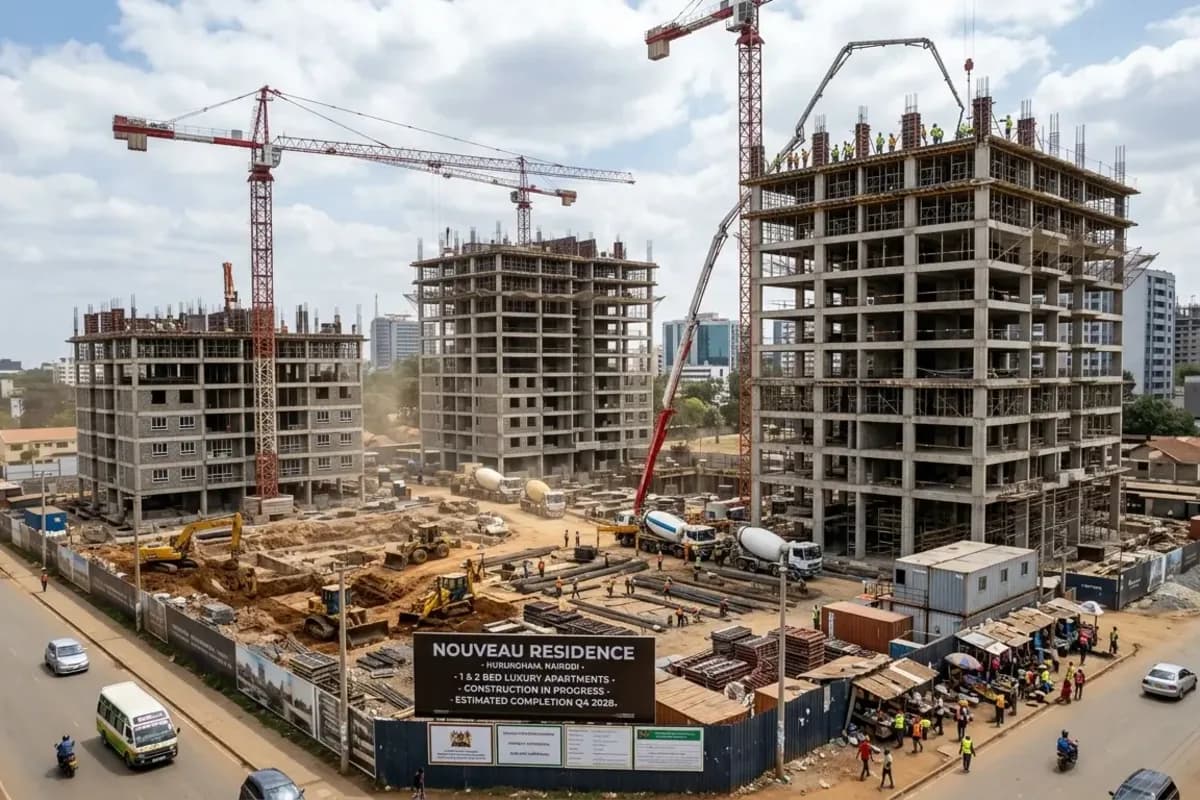
In Nairobi, off-plan apartments have become quite popular, mainly because they can be more affordable.
When you buy off-plan, the building isn't complete yet. You're therefore putting a certain amount of trust in the developer to deliver the project as promised.
Because you're taking on this additional risk and waiting for the project to be completed, developers may offer the apartments at a lower price, particularly during the early stages of a project.
Related: Buying an Off-Plan Apartment in Nairobi: A Practical Guide
But this is where you need to be careful.
You need to do your due diligence and make sure you're buying from a developer with a good track record. Look at their previous projects. Have they completed them? Were they delivered as promised? What do previous buyers have to say?
With a ready apartment, one of the biggest advantages is that you can see exactly what you're buying. If you're buying it as an investment, you can potentially start earning rental income immediately. If you're buying it as a home, you can move in immediately.
The downside is that a ready apartment will generally cost you more than buying the same type of property off-plan.
For a first-time investor, buying off-plan from a reputable developer can therefore be one way of getting into the market, particularly if the payment plan works for your finances.
Financing and Mortgages
One of the most important things to think about when purchasing an apartment is how you're going to finance it.
Are you going to pay cash? Will you take a mortgage? Or are you going to pay for the apartment in instalments?
Related: How Much Salary Do You Need to Qualify for a Mortgage in Kenya?
If you're buying an off-plan apartment, you'll often find that developers offer payment plans.
Let's say a project is expected to take around three years to complete.
Instead of taking out a mortgage immediately, you might agree with the developer to pay a certain amount every month until the project is completed.
Usually, this starts with a deposit, which could be around 10% or 20%, depending on the developer and the project.
For example, if you're buying a studio apartment for KSh 2 million and you pay a 20% deposit, that's KSh 400,000. You would then have KSh 1.6 million remaining.
In some cases, developers allow you to pay this remaining amount in instalments over two or three years, sometimes without interest.
Related: Absa Bank Kenya Launches New Developer-Led Mortgage at 8.9% Interest Rate
That can make buying an apartment more manageable if you have a reliable source of disposable income.
For more expensive apartments, a mortgage may make more sense.
We also have KMRC, which provides access to lower-cost mortgage financing through participating financial institutions. The rates and eligibility requirements depend on the specific facility and lender, so if you're considering this option, speak to your bank or SACCO and find out whether you qualify.
You can also use our free mortgage calculator to work out approximately how much you would need to pay each month based on the price of the apartment, the interest rate and the repayment period.
Don't Forget the Service Charge
Another cost that buyers sometimes don't pay enough attention to is service charge.
This is particularly important because it can sometimes be overlooked when you're initially looking at the purchase price.
Before buying an apartment, find out how much the service charge is for that particular development and what it covers.
Service charges can be paid annually or, depending on the development, monthly. The amount will depend on factors such as the location, the services provided, the facilities available and the number of units in the development.
It's a cost you need to factor into your budget whether you're buying the apartment as a home or as an investment.
If you're buying for investment, for example, the service charge affects your actual rental return. You therefore need to factor it in when calculating your rental yield and deciding how much rent you need to charge.
Legal Due Diligence
Legal due diligence is one of the most important parts of buying an apartment.
The first thing I'd look at is the developer.
Who are they? What other projects have they completed? Have they delivered projects before? Have there been cases where projects weren't completed or where buyers experienced major problems?
You also need to look at the land on which the development sits.
You can ask for information about the title and have your lawyer verify who owns the land and whether there are any issues attached to it.
For example, is the land being used as collateral? Is it tied to another loan or project? These are things you want to know before committing your money.
What About Sectional Titles?
You also need to understand what happens with the title to your individual apartment.
With an apartment development, the land and building are structured differently from a standalone house. This is where sectional titles come in.
A sectional title essentially gives you ownership of your individual unit while also recognising your share of the common property within the development.
I'm not going to go too deeply into sectional titles here because we've covered this separately, but it's something you should discuss with your lawyer and the developer.
Find out when and how the sectional title for your unit will be processed, particularly if you're buying off-plan.
Additional Costs When Buying an Apartment
The purchase price isn't the only amount you need to budget for.
Related: The Additional Costs of Buying a Home in Kenya
There are several additional costs that can come up when buying an apartment. These can include things such as stamp duty, legal fees, valuation fees and insurance, depending on how you're purchasing the property.
If you're using our mortgage calculator, you'll also find a section that helps you account for some of these additional costs.
Home Insurance
Home insurance is particularly important if you're buying through a mortgage, where insurance may form part of the requirements of the lender.
But even if you're buying in cash, it's worth protecting your property.
Imagine something happens to the apartment, such as a fire or another event that causes significant damage. Having insurance can help protect you from having to absorb the entire cost yourself.
Home insurance can be relatively affordable depending on the property and cover you choose.
You can also use our free home insurance calculator to get an idea of the premium you may need to pay.
Legal Representation
You'll also need to account for your lawyer's fees.
Sometimes a developer will have a lawyer handling the transaction, but remember that the developer's lawyer represents the developer.
If you have the budget, I'd recommend having your own lawyer review the sale agreement and other documents. This gives you someone whose responsibility is to look at the transaction from your side as the buyer.
The Sale Agreement and Deposit
Before you make a significant payment, make sure you understand the sale agreement.
You may first be required to pay a booking fee to secure the apartment. This is usually intended to show your commitment and have the developer reserve the unit for you.
The booking fee may then be deducted from the deposit when you proceed with the purchase.
The exact process will depend on the developer, but these terms should be clearly set out in the sale agreement.
This is another reason why it's important to have a lawyer go through the agreement with you.
The agreement should clearly explain things such as the purchase price, payment schedule, completion timeline, what happens if you miss a payment and what happens if the developer doesn't deliver the property as promised.
Viewing and Inspecting the Apartment
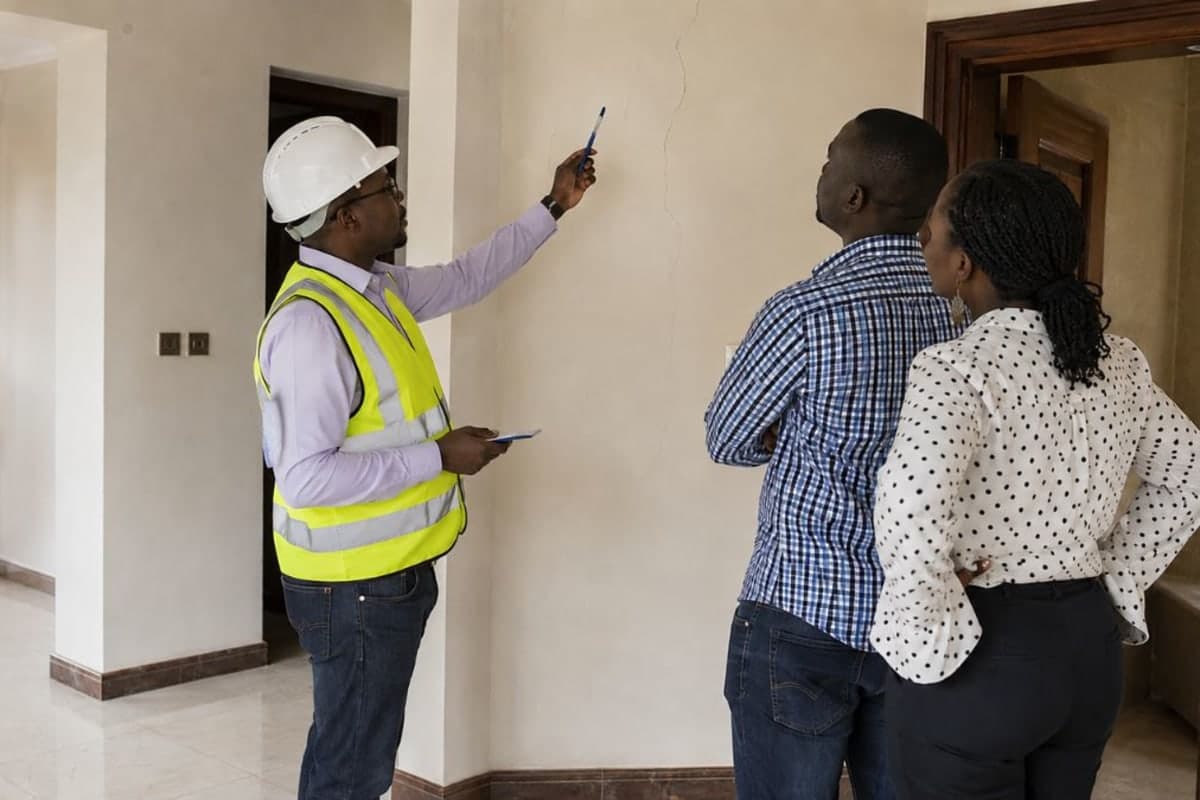
If you're buying a ready apartment, you should physically inspect the property before completing the purchase.
Look at things such as the plumbing, walls, ceilings, floors, electrical systems, ventilation, natural light and any signs of damp or mould.
You can also consider hiring a professional property inspection company to assess the apartment for you.
Related: The Property Looks Great. But Is It Actually Safe to Buy?
You're making a significant investment, so spending some money on a proper inspection can potentially save you from discovering expensive problems later.
With an off-plan apartment, you obviously can't inspect the finished unit because it doesn't exist yet.
That's why the sale agreement becomes even more important.
The agreement should clearly state what the developer has promised to deliver, including the specifications of the apartment and development.
There should also be provisions around inspection and handover, so that you have an opportunity to confirm that what has been delivered matches what you agreed to buy.
Common Mistakes to Avoid When Buying an Apartment
There are several mistakes that buyers can make when purchasing an apartment.
Not Reading the Sale Agreement Properly
Don't just sign the agreement because you're excited about getting the property.
Make sure you understand what you're agreeing to and, where possible, have a lawyer review it.
This is especially important with off-plan properties.
The agreement should protect you as the buyer, not simply set out what you need to pay.
Look at things such as what happens if you miss a payment, what happens if the developer delays completion, and what happens if the final property doesn't match what was promised.
Rushing Into the Purchase
I understand the excitement.
You find an apartment you like, the price looks good and you think, "I want to buy this."
But don't rush.
Take your time and research different developments. Compare prices, locations, developers, payment plans and the potential rental income.
You're committing a significant amount of money, so it's worth taking the time to make the right decision.
Choosing the Wrong Financing
You also need to choose the right financing option for your situation.
Don't take on a mortgage or payment plan simply because you qualify for it.
Think about your current income, your other financial commitments and what would happen if your circumstances changed.
For example, what happens if you lose your job or your income drops for a period of time?
It's important to have some financial cushion and, where appropriate, insurance that can help protect you against unexpected situations.
Ignoring Additional Costs
Don't only look at the purchase price.
Costs such as stamp duty, legal fees, valuation fees, service charge, insurance and maintenance can add up.
Make sure you understand these costs before deciding whether you can actually afford the property.
Not Budgeting for Maintenance and Repairs
Even after buying the apartment, you'll still have ongoing costs.
Things break. Appliances need replacing. The property needs maintenance.
So, especially if you're buying an apartment as an investment, don't assume that all of the rent you receive is going straight into your pocket.
You need to account for service charges, maintenance, repairs and other expenses when calculating your actual return.
Final Thoughts
Buying an apartment in Nairobi can be a great way to get into the property market, whether you're buying your first home or your first investment property.
But don't look at the purchase price alone.
Think about the location, your budget, financing, service charge, additional costs, the developer, the legal documents and the condition of the property.
And most importantly, don't rush.
Do your research, compare your options and get the right professionals involved where necessary.
If you have any questions about buying an apartment or finding a property in Nairobi, feel free to reach out to us through PrimeVale.