When people think about home insurance, they often think about their furniture, electronics, and other things inside the house.
But home insurance can also protect the building itself.
This is usually referred to as the building cover. It covers the physical structure of your home against specific risks listed in your policy.
So what can actually happen to your building that insurance can help with?
Fire damage
Fire can cause serious damage to a home, from a small kitchen fire to a major fire that affects the entire building.
Building cover can cover damage caused by fire, subject to the terms of the policy.
For example, if a fire damages your kitchen, walls, roof, or other parts of the building, you may be able to make a claim for the covered damage.
The important thing is to make sure the building is insured for an appropriate amount.
Lightning and thunderstorms
Lightning can cause damage to a building and its electrical systems.
For example, a lightning strike could damage electrical installations or cause a fire.
The policy may cover damage caused by lightning, thunderbolt or thunderstorms, depending on the specific cover you have.
What about earthquakes?
Earthquakes are also listed under the building cover in the example policy we're looking at.
However, earthquake claims can have a different excess.
In this example, the earthquake excess is 2% of the loss, subject to a maximum of Ksh 5 million.
So if you had a covered earthquake loss of Ksh 2 million:
2% × Ksh 2 million = Ksh 40,000
That Ksh 40,000 would be the applicable excess in this example.
This is why it is useful to understand not just what your insurance covers, but also what you may have to contribute if you make a claim.
Damage from explosions
An explosion can cause significant damage to a building.
Building insurance can provide cover for damage caused by an explosion, subject to the conditions and exclusions of the policy.
This could include damage to parts of the building such as walls, ceilings, doors or other structural elements.
Riot, strike and civil commotion
Buildings can sometimes be damaged during riots, strikes or civil disturbances.
The example domestic package includes cover for riot, strike and civil commotion.
This means damage caused by these events may be covered, subject to the policy wording.
Malicious damage
Sometimes damage to a property is deliberate.
For example, someone who is not a member of your household may deliberately damage a door, window or another part of your building.
Malicious damage cover can help with such losses where the circumstances fall within the policy.
Damage caused by vehicles or animals
Your house can also be damaged by something outside the building.
For example, a vehicle could accidentally hit your wall or gate.
The policy may also cover impact from an animal, depending on the circumstances.
It can also include certain damage caused by things such as falling trees or branches.
Falling trees and other objects
Strong winds, storms or other events can cause trees or branches to fall onto a property.
The building cover in the example policy includes impact from falling trees and branches.
It also mentions things such as aerials, masts, satellite dishes, lamp posts, electric cables and other structures.
Storm, wind and flooding
Weather can cause some of the most common types of property damage.
Strong winds can damage roofs, windows and other parts of a building.
Heavy rain can also lead to flooding and water damage.
The example policy includes cover for wind, storm or tempest, and floods.
However, it's important to check your own policy carefully because flood cover and other weather-related risks can have specific conditions or exclusions.
Escape of water
Water damage isn't always caused by rain or flooding.
A burst pipe, overflowing tank or another water system in your home can cause serious damage.
The example building cover includes:
Bursting, overflowing or escape of water from tanks, pipes and other apparatus.
For example, imagine a water pipe bursts while you're away for a few days. By the time you return, water has damaged part of the building.
Depending on the circumstances and your policy, you may be able to claim for the covered damage.
What about theft?
The building section can also cover certain theft-related damage.
The example policy covers theft or attempted theft where there has been an actual forcible and violent break-in into or out of the building.
This is an important detail.
You shouldn't assume that every type of theft automatically qualifies for a claim. The circumstances of the incident need to meet the conditions of the policy.
Building insurance is different from contents insurance
It is also important to understand the difference between the building and your belongings.
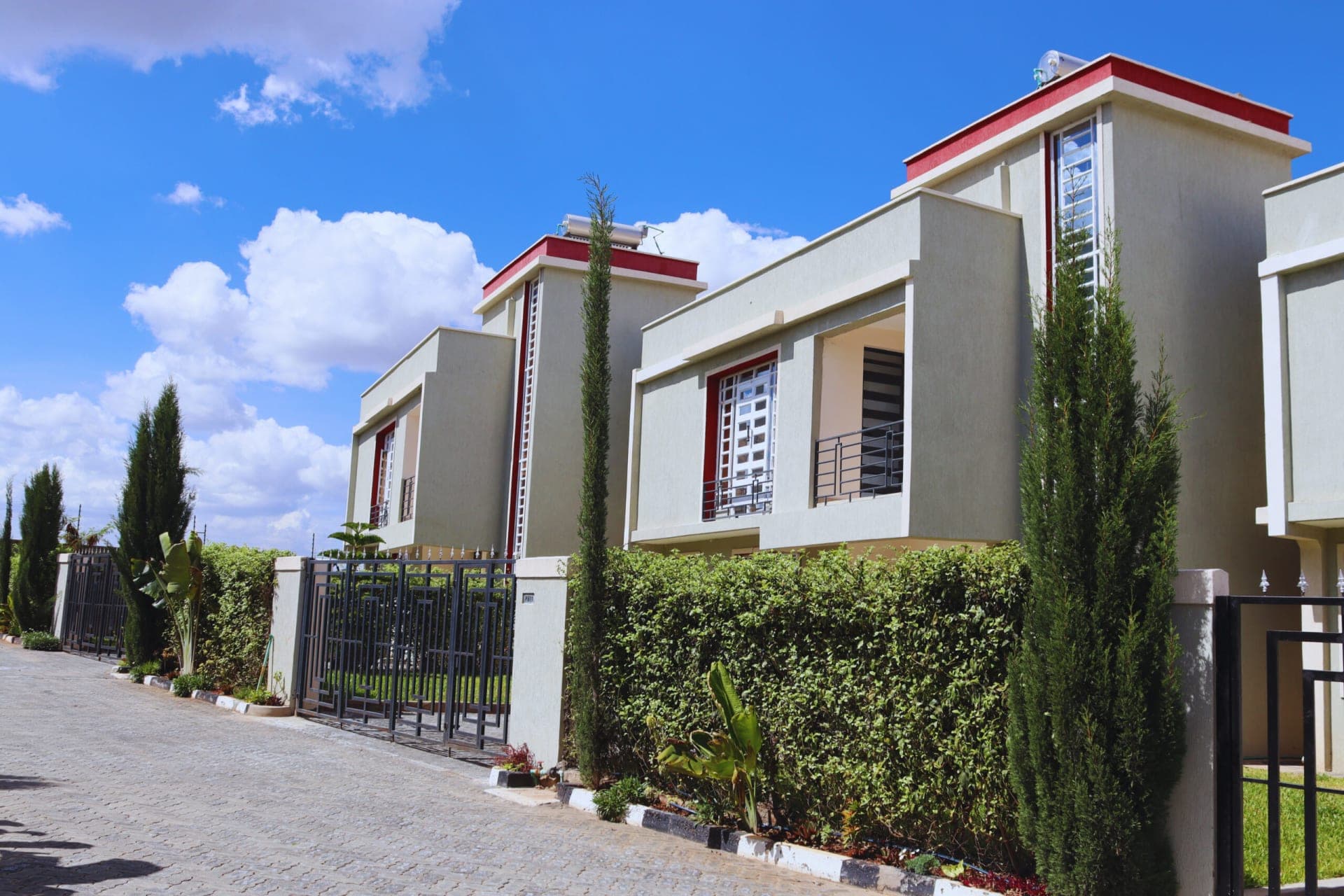
The building is the physical property itself.
Your contents are the things you keep inside it.
For example:
Building: walls, roof, floors, doors and other parts of the structure.
Contents: furniture, TV, appliances, clothes and other household belongings.
You may need to insure both if you want protection for the house as well as the things inside it.
How much should I insure my building for?
This is one of the most important questions to ask when taking building insurance.
The amount you insure the building for should reflect the appropriate value used for insurance purposes, rather than simply the amount you paid for the property.
The value of the land, for example, is different from the cost of rebuilding the house.
You should also consider construction costs and other factors that may affect the cost of rebuilding.
It's worth discussing the appropriate sum insured with your insurer or insurance adviser.
Read the cover before you need it
The easiest time to understand your home insurance is before something goes wrong.
Look at the risks covered, the exclusions, the excesses and the amount for which your building is insured.
That way, you have a much clearer idea of what your policy is actually protecting.
Calculate your home insurance premium
Your home is likely to be one of the biggest assets you own.
Protecting the building can help you deal with some of the financial impact of unexpected damage.
If you're considering home insurance, you can calculate an estimated premium for your property on PrimeVale.
Calculate your home insurance premium on our home insurance page and see what cover may be available for your home.