
Introduction
Branded residences have been a major topic of discussion lately. At the 2026 EAPI Summit, which I attended, this was one of the key subjects that came up repeatedly. Panelists and speakers discussed the viability of branded residences, whether we are likely to see growth in this segment, and what really drives these developments to come to life.
In this article, I will explore all of that and more, including whether branded residences make sense as an investment asset class in Kenya. But first, let's define what this segment actually is.
What is a Branded Residence?
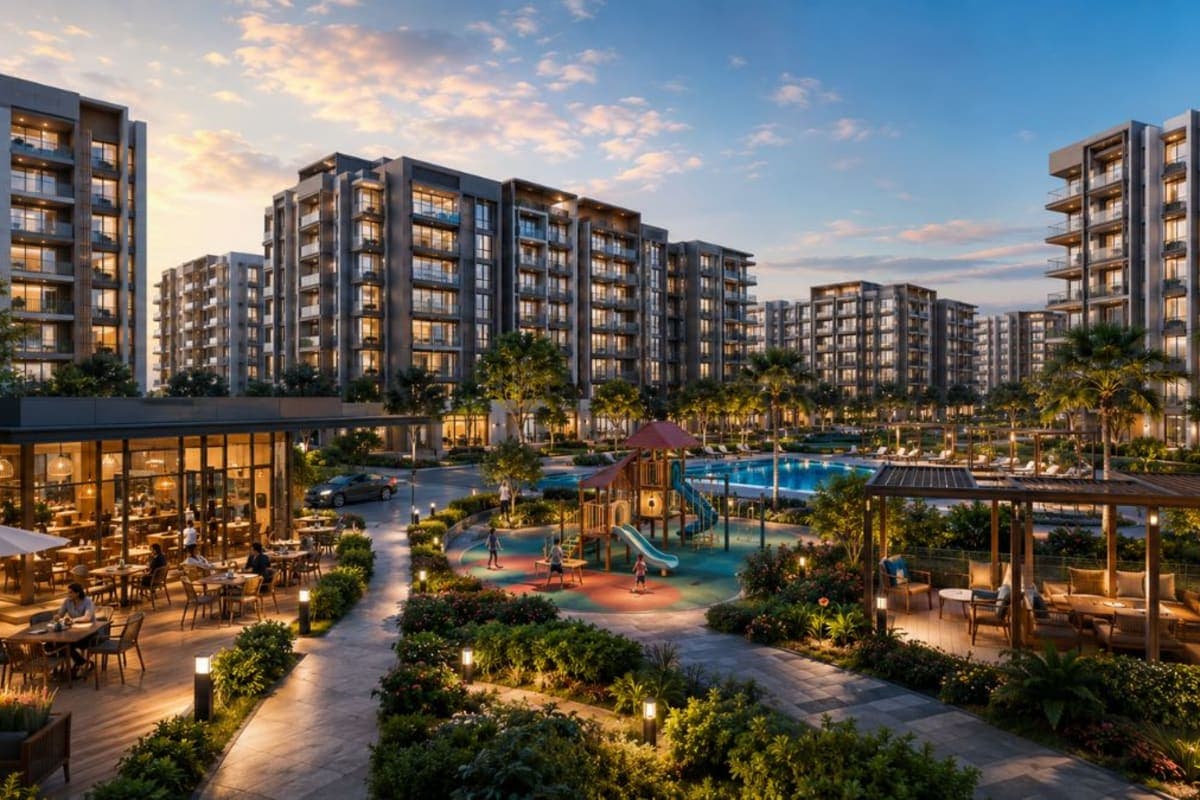
A branded residence is a residential property, whether an apartment, villa, or townhouse, that is developed and marketed in partnership with a luxury brand.
Historically, these luxury brands have mainly been hotel chains. However, over the last few years, we have seen automotive brands such as Bugatti and Bentley, as well as fashion houses like Louis Vuitton, Bulgari, and Cavalli, partner with developers to create branded residences. In some cases, these brands have even chosen to develop projects on their own.
This trend is most common in markets such as Dubai and the United States.
Related: Why Dubai Property Brokers Are Increasingly Targeting Kenyan Investors
In Kenya, the few branded residences that exist today are primarily associated with hotel brands.
Not the Same as Serviced Apartments
One of the biggest misconceptions about branded residences is that they are the same as serviced apartments. Based on the definition above, we can clearly see that this is not the case.
It is true that many branded residences come fully furnished and offer services and amenities similar to those found in serviced apartments. However, the two concepts are different.
The key difference is that a branded residence derives its identity, positioning, and value from its association with a well-known luxury brand.
Do They Make Sense in Kenya?
Yes and no.
Branded residences are usually expensive and are designed to attract high-net-worth individuals (HNWIs), a segment that is still relatively small in Kenya.
Many of these individuals already have substantial real estate portfolios within the country and are increasingly looking to diversify their investments across international markets.
Related: Diaspora Buying Guide for Kenyans
That said, for those who can afford them, branded residences can offer attractive returns. This is one of the reasons some investors continue to show interest in the segment.
Kenya is still in the early stages of this market, but there is potential for growth in the future.
Lifestyle Shifts and HNWIs Are Driving Growth
There has also been a noticeable lifestyle shift in Kenya. More people are embracing luxury living and are willing to pay a premium for it.
These developments are often viewed as status symbols, and for many buyers, that exclusivity carries significant appeal.
This growing demand for luxury lifestyles has encouraged some developers to explore opportunities within the branded residence segment.
Why a Branded Residence?
Why would a brand choose to have a branded residence in Kenya?
For buyers, the biggest attractions are exclusivity and status. Imagine owning a penthouse in a Louis Vuitton-branded residence in Westlands.
That is a statement.
Beyond status, buyers are also attracted by the long-term value these developments can hold, especially if the brand continues to maintain its prestige and reputation globally.
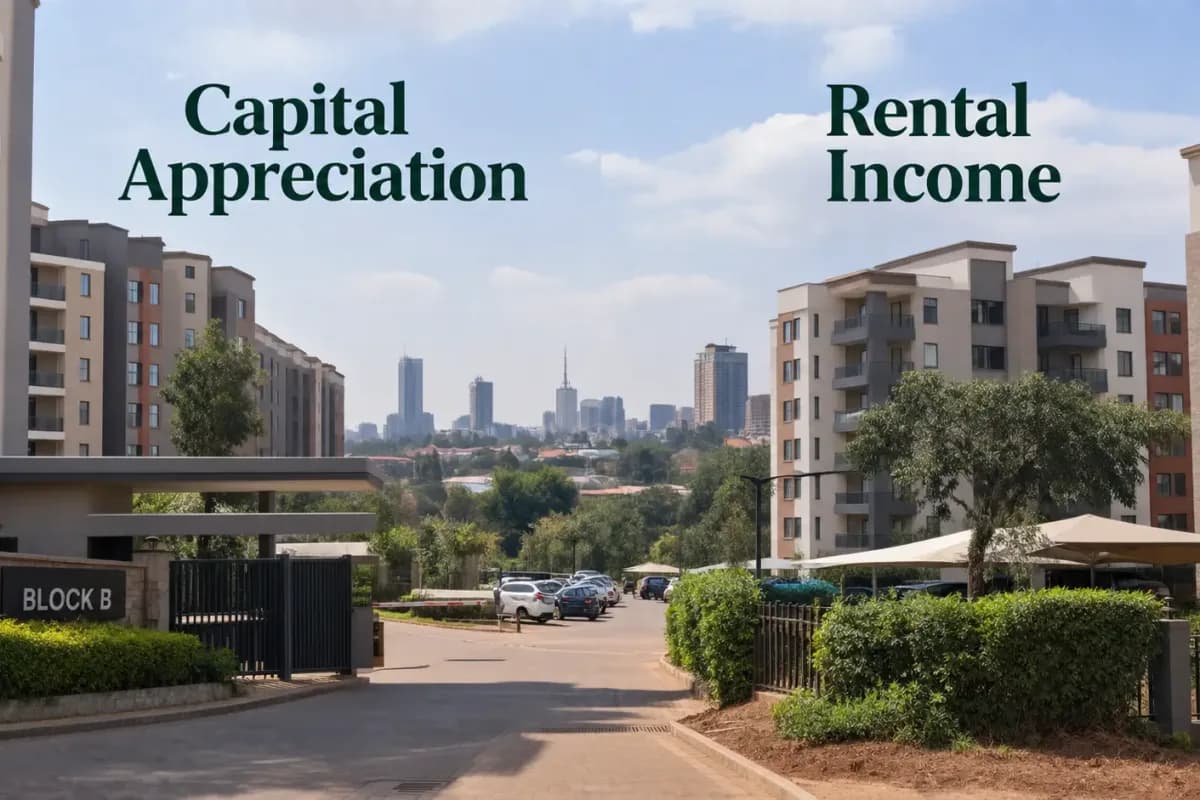
Capital appreciation can be strong because demand often exceeds supply. For investors who choose to lease out their units, rental yields can also be attractive.
For developers and brands, the benefits are equally compelling.
Sales can become easier when leveraging the marketing power and global recognition of an established brand. These brands often have access to international buyer networks. A businessperson from London, for example, might purchase a unit in Nairobi simply because it is associated with a brand they already know and trust.
Branded projects also tend to command premium pricing. Developers and brands can often achieve higher prices per square metre compared to conventional developments.
List of Branded Residences in Kenya
As mentioned earlier, Kenya does not yet have a large number of branded residences. Based on our research, below are some of the notable developments in the market today.
Remember, there is a difference between branded residences and lifestyle-branded residences.
JW Marriott Residences at the GTC Towers
Dusit Princess Hotel Residences
Mövenpick Hotel Residences
Le Mirage Residences by CityBlue
Skynest Residences by CityBlue
Divine Residences by CityBlue
Kilua Residences by CityBlue, Mombasa
From this list, it is clear that CityBlue is currently leading the segment, with multiple developments either completed or in the pipeline.
At PrimeVale, we do not expect a major surge in branded residences just yet. CityBlue will likely continue leading the charge, while other players may join the market more gradually. Demand is still not strong enough to attract significant competition.
That said, things can change quickly.
Nairobi is expected to see an increase in expatriates as the United Nations relocates some of its staff to the city. More international organisations are also establishing offices in Nairobi.
This could create an opportunity for branded residences to gain momentum.
Will it happen?
Let's wait and see.