
For many Kenyans, the dream has always looked the same. Get good grades. Get a good job. Buy a car. Then buy a house.
It is almost a checklist of adulthood.
Owning a home in Kenya is a sign that you've made it. Family members ask about it. Friends celebrate it. Society quietly expects it.
There is also the pressure that comes with watching your peers post photos holding house keys on social media (they've made it) while you're still paying your rent every year.
But behind all that excitement lies a much harder reality.
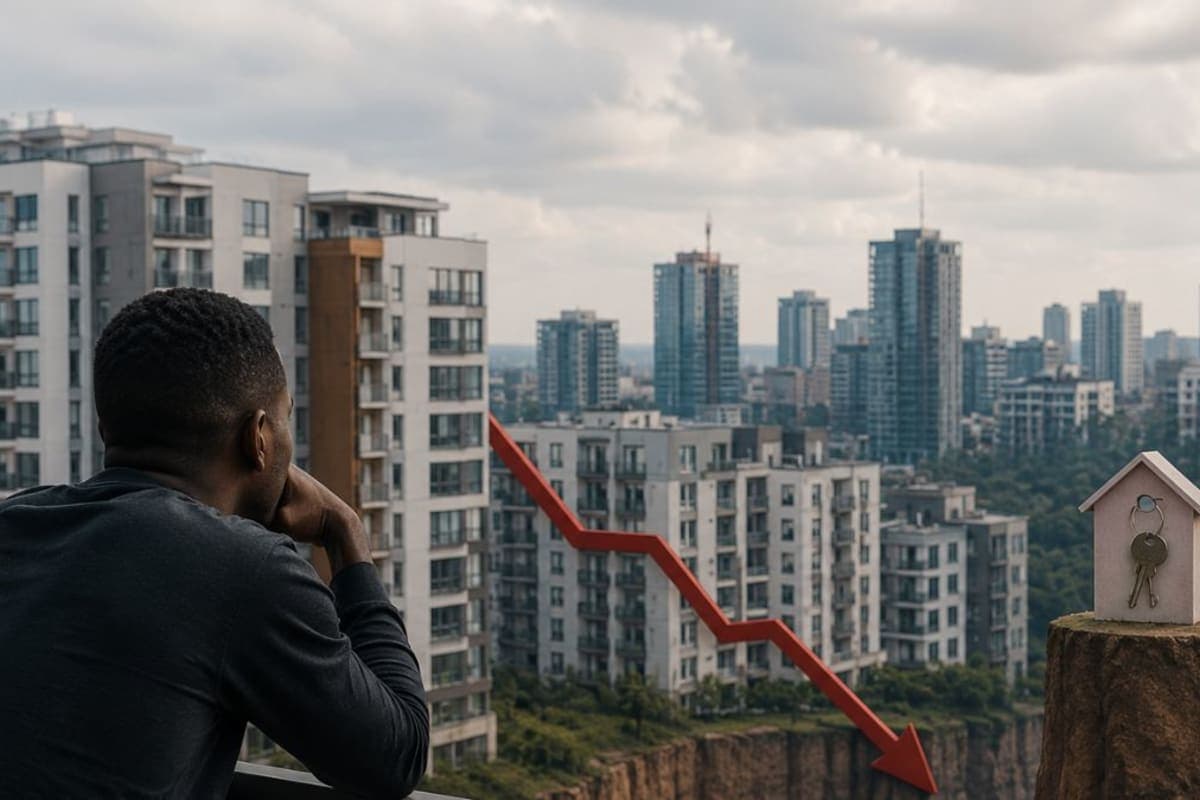
Buying a home is still out of reach for many people in the country, even as property prices begin to soften.
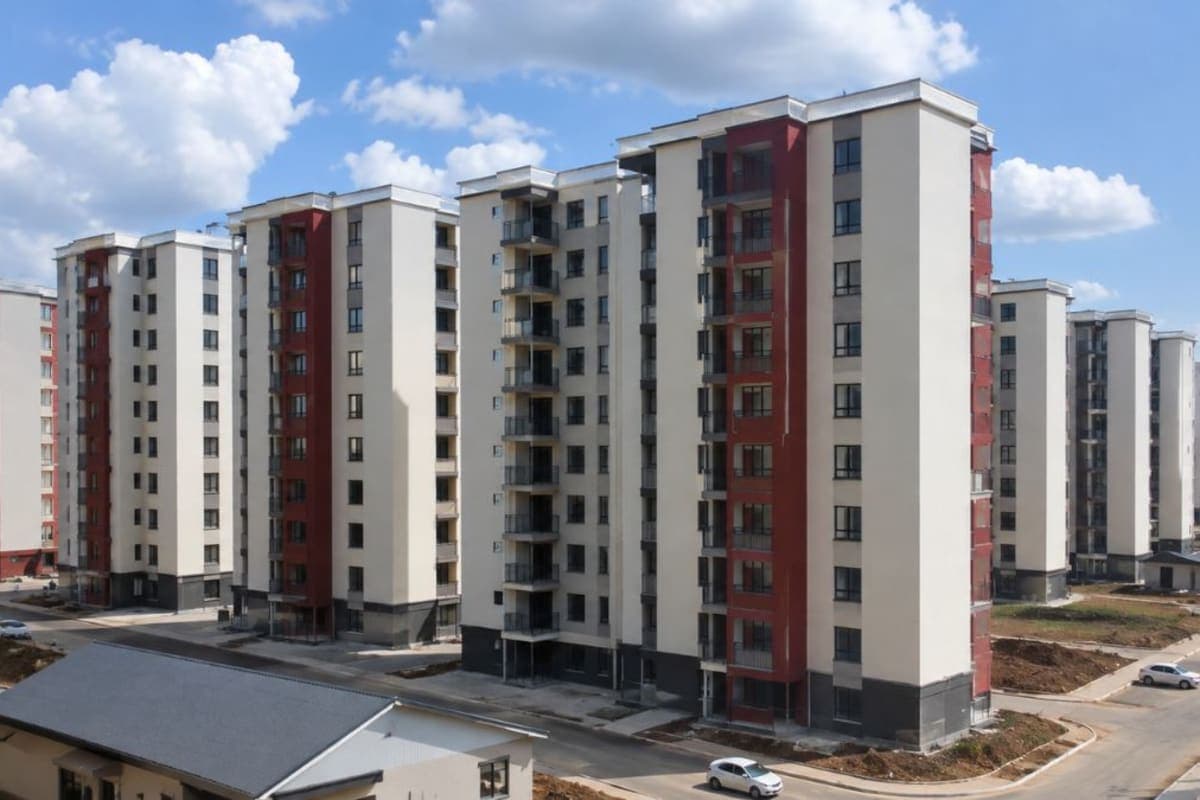
The latest Kenya National Bureau of Statistics Residential Property Price Index shows apartment prices fell by 3.0 percent between the first quarter of 2025 and the first quarter of 2026.
Standalone houses, however, became 8.5 percent more expensive, pushing the overall residential property market up by 4.8 percent over the same period.
When you look at it from face value, falling apartment prices sound like good news and should be celebrated by buyers.
But lower prices do not automatically mean affordable homes.
Meet Ken
We talk to Ken Wambugu, an employed analyst in Nairobi who is 34.
He lives with his wife and their young son in Nairobi.
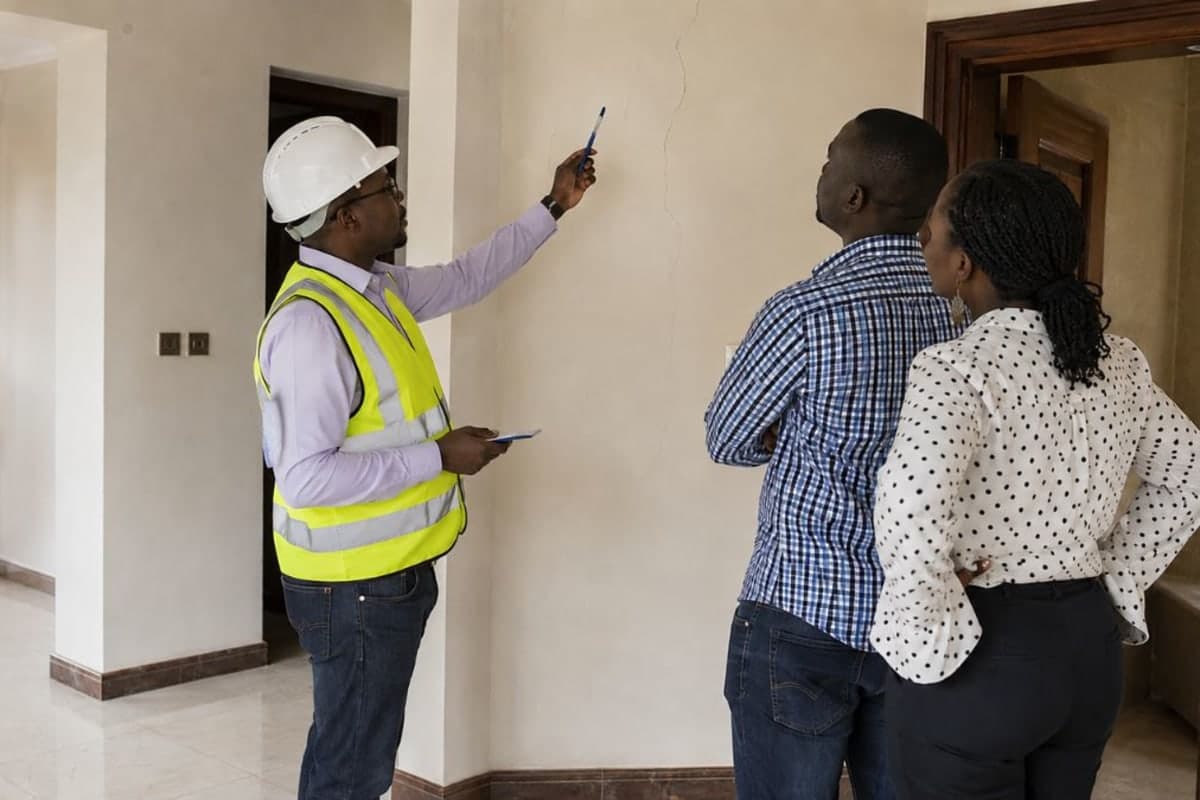
Like many people his age, he dreams of owning a home. He occasionally scrolls through property listings. Sometimes they even go on site visits just to imagine what life could look like.
Then reality sets in.
The numbers simply don't add up.
Even after some apartment prices have dropped, homes in the neighbourhoods they would genuinely like to live in remain far beyond what they can comfortably afford.
People often tell him the same thing.
"You're already paying rent. Why not just pay a mortgage instead?"
It sounds logical.
Until you actually think about it.
A mortgage is a commitment that could last 20 or even 25 years.
Rent offers some form of flexibility.
If life becomes difficult, let's say you lose your job, or inflation hits, you can consider moving to a smaller house, relocating to a different neighbourhood, or taking time to recover financially.
A mortgage does not give you that luxury, unfortunately.
Missing repayments come with consequences. Add psychological pressures to that as well.
That is what makes the decision so different.
For Ken, buying a home is not just about replacing rent with a mortgage payment. It is about taking on one of the biggest financial obligations of his life.
So for now, he waits.
Not because he has given up.
But because he refuses to rush into a decision simply because everyone else appears to be doing so.
By the way, you can calculate whether it is better to rent or buy a house using our rent vs buy calculator. Be sure to check it out.
Prices have changed, but affordability has not
The KNBS data tells an interesting story.
Apartment prices have generally been on a downward trend over the past year, recording another slight quarterly decline of 0.2 percent in the first quarter of 2026.
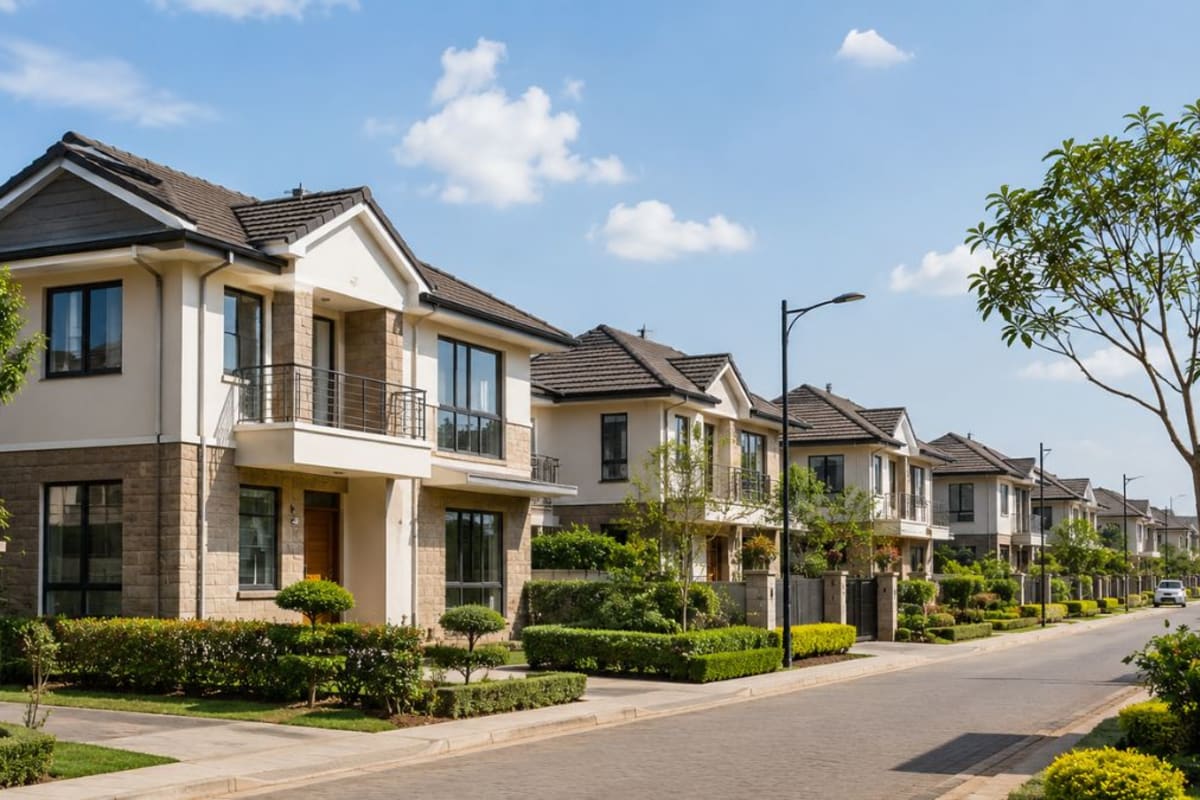
Standalone houses, on the other hand, continue to appreciate, rising 1.0 percent from the previous quarter and 8.5 percent over the year.
The market is clearly moving in two different directions.
One possible explanation is oversupply.
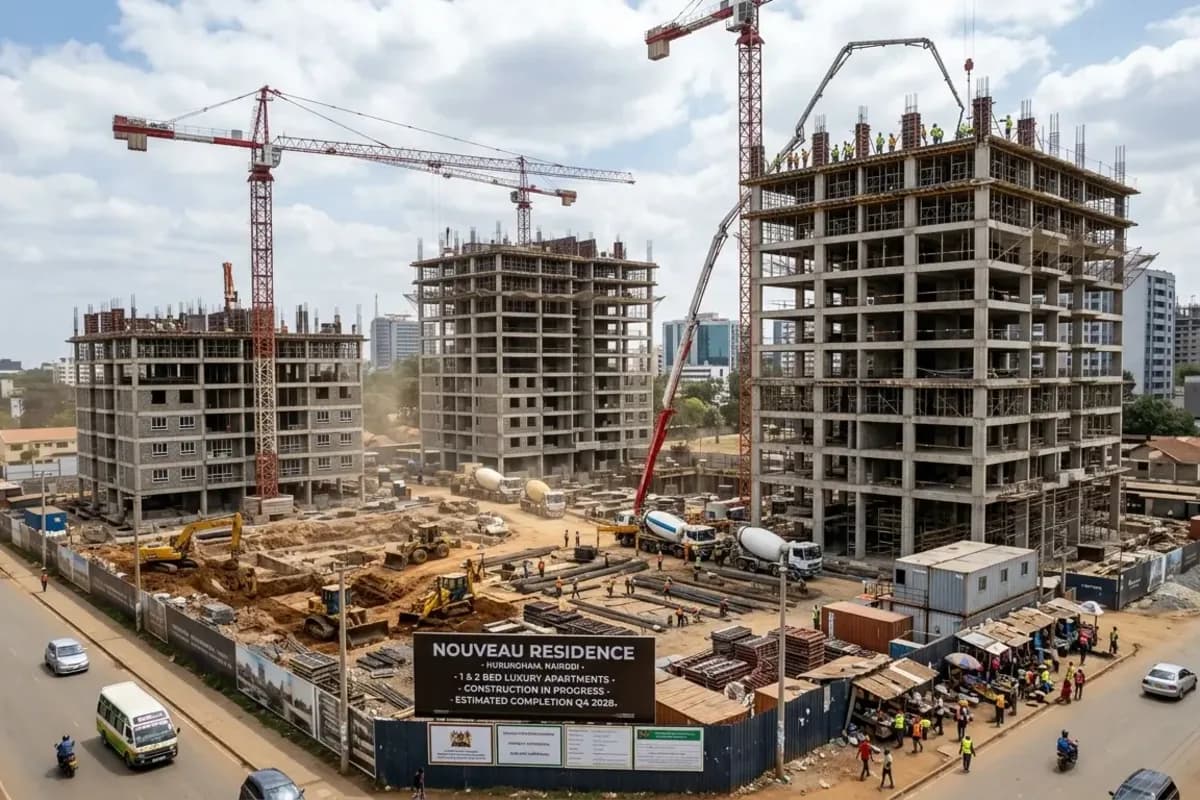
For years, developers have built thousands of apartments, particularly in Nairobi neighbourhoods such as Kilimani, Kileleshwa, Westlands, and Lavington.
Today, buyers have more choices than ever before.
More supply naturally puts pressure on prices.
But another question remains.
Is this a temporary market correction, or is the industry simply producing too many of the same type of product?
Many of these developments target a similar buyer with similar price points.
When everyone is selling nearly identical apartments, competition increases, and discounts become more common.
That benefits buyers.
But only if those buyers can actually afford to purchase those homes.
Related: Your Complete Guide to Buying Your First Home in Kenya
The pandemic changed what people wanted
COVID-19 quietly changed the way many Kenyans think about housing.
Before the pandemic, living close to the office made perfect sense.
Then people started working from home.
Space suddenly mattered more than proximity.
Families moved further away from the city in search of bigger homes, quieter neighbourhoods, and lower rents.

Areas such as Ruaka, Ruiru, Syokimau, Kitengela, Athi River, Limuru, and Kikuyu experienced growing demand.
For a while, moving to the outskirts meant saving money.
Today, that gap is becoming smaller.
As these neighbourhoods developed better roads, shopping centres, schools, and social amenities, demand continued to rise.
Rental prices followed.
Take, for example, Gikambura. It costs about KES 8 million to get an eighth of a land.
They may still be cheaper than prime areas like Kilimani or Westlands, but they are no longer the bargain they once were.
Homeownership is emotional too
Ask Ken why he still wants to own a home.
His answer has little to do with investment returns.
He simply wants stability.
A place where his son can grow up. A place where he can paint any colour he likes.
A place where nobody can suddenly increase the rent or ask him to move. That is something many buyers relate to.
While property can certainly be an investment, buying your primary home is often an emotional decision before it becomes a financial one.
It is about having a safe place to call your own.
Building for the people who actually live here
One of the biggest conversations in Kenya's property market is who new developments are really being built for.
Luxury apartments continue to dominate many parts of Nairobi.
Some are purchased by investors.
Others attract foreign buyers or high-income earners.
But Kenya's biggest housing demand comes from ordinary working families.
That is where affordable housing has started making a difference, or is trying to.
Projects such as Muzi Salama in Tilisi, where two-bedroom homes start at around KSh 5.7 million, show that it is possible to build homes that are closer to what many middle-income Kenyans can realistically aspire to own.
The market needs more developments like these. Not necessarily the cheapest homes.
Just homes that match the purchasing power of the people who actually need them. This way, we will cut down on the housing shortages we currently have, which stands at about a deficit of 150,000 homes annually.
But there is another challenge ahead
Even that may become harder.
The Finance Act 2026 removed VAT exemptions on some construction materials previously available for affordable housing projects.
Related: What the Finance Bill 2026 Means for Property Owners and Investors in Kenya
That means developers could face higher construction costs.
Whether those additional costs are absorbed by developers or passed on to buyers remains to be seen.
If they are passed on, affordability could once again move further away, even as the country works toward delivering more affordable homes.
Falling prices are only part of the story
The headlines tell us apartment prices are falling.
But for many Kenyans, affordability is about much more than the selling price.
It is about qualifying for financing.
Having enough savings for a deposit.
Feeling secure enough to commit to decades of mortgage repayments.
And finding a home that suits both their family and their budget.
So yes, apartment prices may be coming down.
But until ordinary Kenyans can comfortably afford to buy them, the dream of homeownership will remain exactly that.
A dream.