
One of Africa’s most active property investors is heading for the exit.
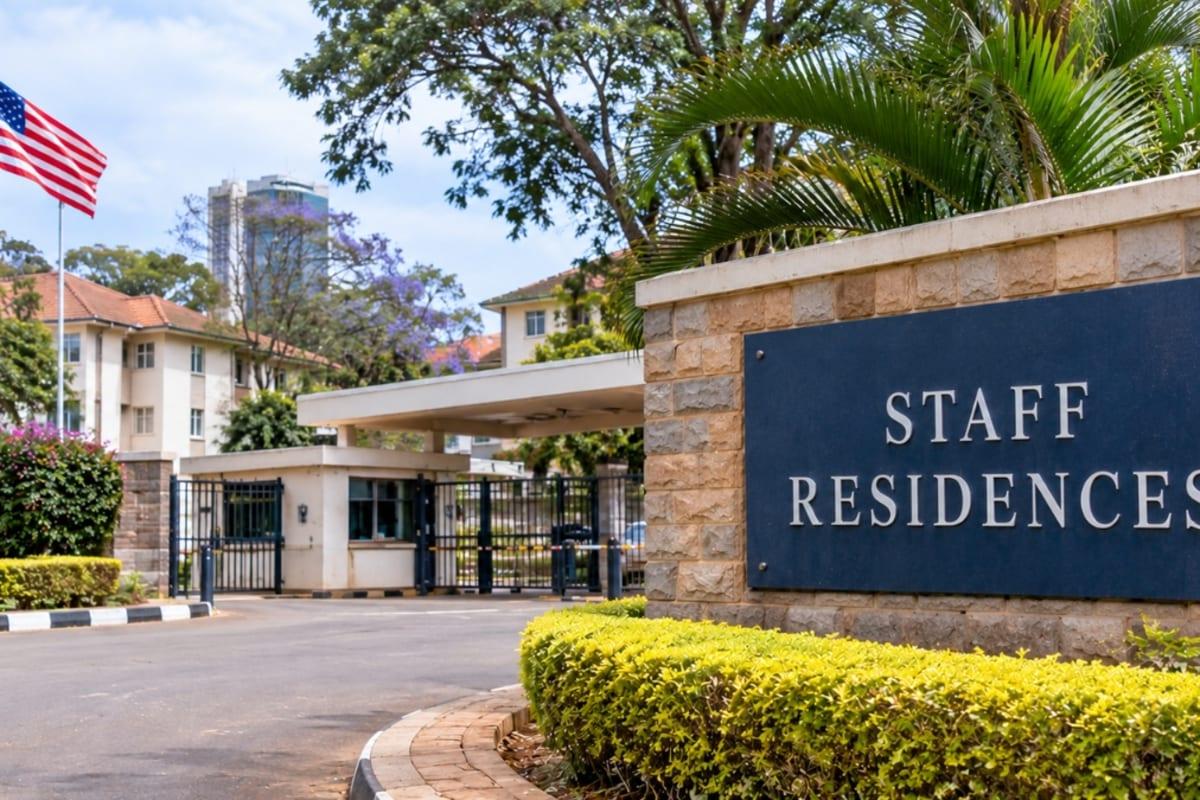
Mauritius-based Grit Real Estate Income Group is set to sell all its investments, including KSH 20 billion in Kenyan assets such as Buffalo Mall in Naivasha and Rosslyn Grove in Nairobi, which hosts the US Embassy staff.
What Grit announced
On 26 October 2026, Grit updated the London market on two separate disposals.
The board accepted a conditional binding offer for its stakes in its development platform, made up of Gateway Real Estate Africa (GREA) and Africa Property Development Managers (APDM).
It is also progressing the sale of a substantial part of its remaining income-producing portfolio. Combined with sales already underway, the company expects to dispose of all its real estate assets and will engage regulators and shareholders on its future as a listed company.
The reason for the sale is debt.
Grit’s shares have been suspended from trading in London and Mauritius, and its total debt was previously disclosed at nearly KSH 65 billion.
An analyst at QuotedData described the move as an orderly disposal of the whole property portfolio under the weight of its debt obligations. The deals still depend on approvals and lender consents.
Related: Kenya’s Property Market Is Starting to Shift as Commercial Real Estate Attracts New Capital
GREA and APDM: the development platform
These two names matter because they sit behind several of Grit’s best-known buildings.
GREA (Gateway Real Estate Africa) is a developer that builds turnkey real estate for multinational tenants across Africa. Grit became its majority owner in stages from 2022, holding 51.48% by mid-2023, though GREA also has outside shareholders.
APDM is GREA’s development and asset manager, and Grit holds 78.95% of it. It has since been renamed Grit Real Estate Solutions and earns management fees on the assets it runs.
In short, GREA builds the assets, and APDM manages them. Both are being sold, so Grit is exiting the engine that produced its flagship projects as well as the buildings themselves.
Where else Grit operates
Kenya is one of ten countries in Grit’s portfolio. The others are Ethiopia, Ghana, Mauritius, Morocco, Mozambique, Nigeria, Senegal, Uganda and Zambia.
The group has delivered across seven asset classes and 33 assets in total, so Kenya is a significant but not dominant part of the sell-off.
The Kenyan portfolio
Grit last valued its Kenyan income-producing assets at $158.2 million (Sh20.5 billion) as at June 2025, about 16 percent of its total portfolio. By Grit’s own portfolio page, it holds five Kenyan assets:
Rosslyn Grove, Nairobi. A 90-unit diplomatic housing estate completed in 2022 and co-developed by GREA with US-based Verdant Ventures. Grit lists it as 100% occupied with the US Embassy as an anchor tenant, valued at US$59.7 million. Grit holds a 17.5% direct interest, with more exposure through its development arm GREA.
Eneo at Tatu Central, Tatu City. Grit lists 100% ownership of this 25,752 m² BPO and office development, valued at US$47.9 million, with CCI and Naivas among its tenants. GREA developed it with Tatu City’s developer, Rendeavour.
Check out properties for sale in Tatu CityBuffalo Mall, Naivasha, a retail centre.
Orbit Africa and Imperial Warehouse, Nairobi, both light industrial.
What it means
For buyers: Rosslyn Grove is rare. It is a dollar-linked rental stream backed by a diplomatic tenant, and few Kenyan assets match that. Eneo is a fully owned, modern commercial building in a fast-growing planned city. Expect strong interest from both.
Related: Best Residential Areas to Live in Nairobi for Expats
For the market: A forced seller is a pricing signal. Sale prices for these assets will show what investors will actually pay for Kenyan commercial property today, as opposed to what valuations say.
For tenants: The announcement says the properties would keep operating and staff would transfer with them, so day-to-day disruption should be limited.
For lenders: Kenyan banks are among Grit’s creditors. Its lenders include Standard Bank Group, Absa Bank Kenya and NCBA Group. How the sales close will matter to them.
The election angle
The timing is hard to ignore. Kenya’s general election is due in 2027, and the sector is already cautious.
Knight Frank says developers and investors are holding back on new projects, and that most major office pipeline completions have been pushed past 2027.
Hass Consult’s co-CEO has noted that prices often soften two to three months before a general election.
At PrimeVale, we shared our sentiments, as outlined in our article on the 2027 election cycle and its impact on real estate.
So a large block of prime Kenyan assets is coming to market just as buyers get careful. It will be interesting to see who pays what, and whether election nerves change the outcome. If you’re weighing your own move, read our analysis: Kenya’s Property Market Ahead of the 2027 Elections: Build Now or Wait?.
PrimeVale will keep tracking the Grit sales as details emerge.