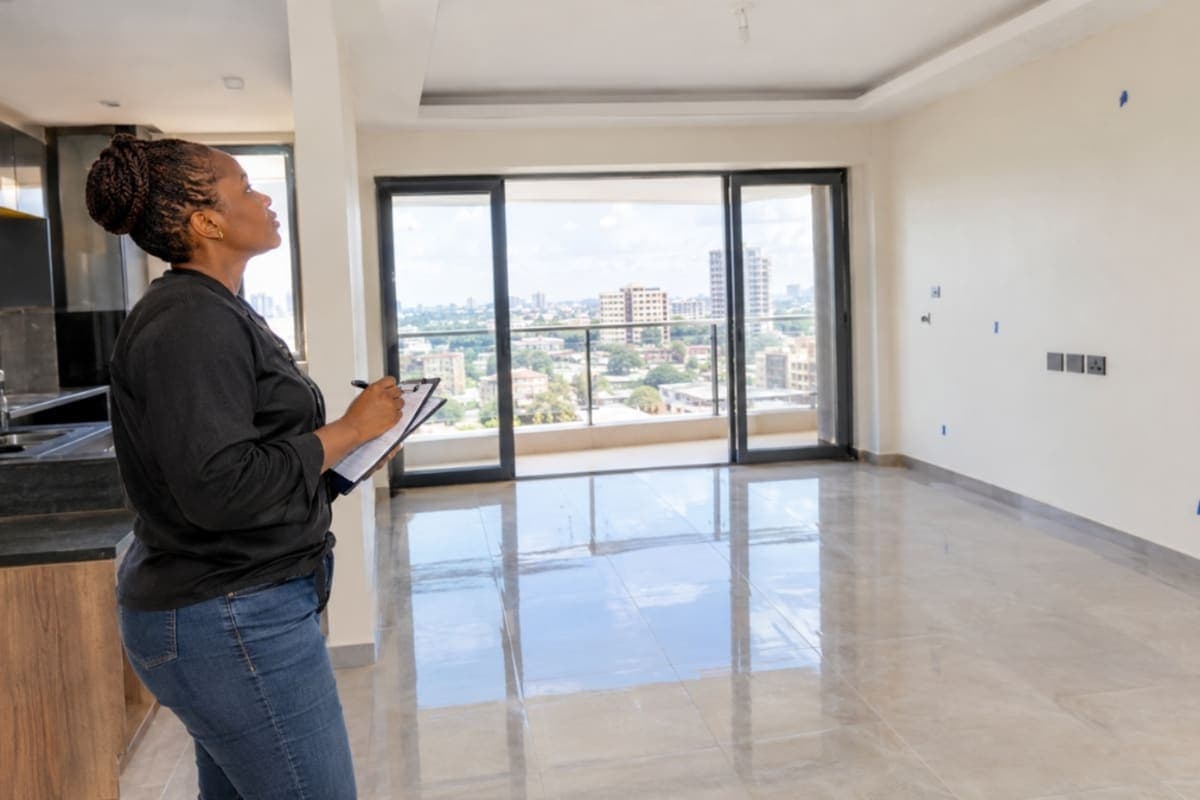

You've signed the papers, the keys are almost in your hand, and you can't wait to move in.
Hold on a moment. Before the first box or sofa goes through that door, there's one thing worth doing: snagging.
What is property snagging?
Snagging is simply a polished word for a property inspection. You go through a new or newly renovated home to make sure it's free from defects. The issues you find are called "snags", which is where the name comes from.
Why does it matter?
It's almost impossible to build or renovate a perfect property.
Something will always be a little off, whether it's a crooked door, a patchy paint job, or a leaking tap.
Snagging gives you, the buyer, a chance to spot these problems and get the developer to fix them before you move in.
Related: Buying an Apartment in Nairobi: A Complete Guide for Buyers
And that timing is important. Since you haven't lived in the house yet, it's very hard for the developer to say "you broke that." The defect is clearly theirs to sort out.
Don't forget the defects liability period
Even after you move in, you're still able to get defects fixed. Most properties in Kenya come with a defects liability period, typically about one year.
During that time, you can call the developer back to fix things that were their mistake. This doesn't cover damage you caused yourself, only genuine defects.
Still, don't rely on it alone.
Doing a proper inspection upfront means that whatever comes up during that year is minor.
Two ways to snag a property
There are two main ways to inspect your new home: carrying out your own inspection and hiring a professional property inspector.
Your DIY snagging checklist
Go room by room and look at the walls, ceilings, and floors. Here's what to check.
Every room
Floors: Check that the tiles or floorboards are properly laid and in good condition.
Walls: Look for cracks, and check the paintwork for blotches or flaking.
Switches and sockets: Carry a phone charger and test every socket. Flick every switch.
Lights: If the house needs bulbs, carry a few along to test the fittings.
Windows: They should close easily, without screeching, and be well sealed.
Doors: They should be fitted properly and close without you having to force them.
Bathrooms
Water should run smoothly and drain smoothly.
There should be no stagnant water left on the floor. Check that the floor slopes properly towards the drain.
Check the windows and doors here too.
The water meter should be fixed properly.
The sink should be firmly fixed.
Tiles shouldn't be cracked, and the grout between them should be solid.
Kitchen
Cabinets should close properly without screeching, be well placed, and all the doors should be there.
Check the plumbing, especially around the sink.
Smell the area under the sink. A damp smell is a red flag. It could mean a leak, or that a water-resistant sealer is needed around the sink.
The paint around the sink area should ideally be mould-resistant.
If it's a fitted kitchen, test the appliances: the oven, the microwave and the cooker.
Why you should still bring in a professional
Your own inspection covers what you can see, smell and hear.
A professional goes a step further. They understand things you might miss simply because it isn't your line of work.
Related: The Property Looks Great. But Is It Actually Safe to Buy?
Think about it this way: you're buying a property worth, say, KES 10 million. Spending KES 50,000, or even less depending on the company, to protect that investment is money well spent.
What to do with your snag list
Once you've done your inspection and the professional has done theirs, put everything into one list and send it to the developer.
Nine times out of ten, they'll fix the issues, because it's their responsibility. Remember, this is a pre-move-in inspection, so nobody can blame you for the defects.
Check your sale agreement first
This one is easy to overlook. Before you sign, make sure your sale agreement or contract:
allows you to carry out an inspection, and
clearly states the defects liability period.
If you need help finding a professional inspector, get in touch with us and we'll be happy to help.
Quick FAQs
Who pays for the inspection? The buyer pays for the inspection. The fixes, however, are done by the developer.
What if the developer refuses to fix the issues? This is exactly why you check your agreement for the inspection clause and the defects liability period. If it comes to it, you can take the matter to a lawyer. But try to avoid reaching that point. Legal battles can cost you a lot of money, and even if you win, it can feel like a lose-lose situation.
Can I still point out defects after I've moved in? Yes, that's what the defects liability period is for. Make sure you document everything properly, and take pictures as you go.