
You've finally found the perfect piece of land.
Your architect has completed the drawings. Your financing is in place. You're ready to submit your building plans.
Then you're told there's a new fee that must be paid before you can even receive a building permit.
That's the idea behind Nairobi's proposed Development Impact Fee (DIF), one of the biggest changes introduced in the city's new Development Control Policy.
While it sounds like just another government charge, the county says the goal is much bigger than raising revenue.
Important to note. The county has not specified that the fee is only for major developers.
From our interpretation of the document, the fee is for any development, a major high-rise, or a single dwelling house.
So, what exactly is the Development Impact Fee?
As Nairobi grows, so does the demand for roads, drainage systems, sewer lines, public parks, and other infrastructure.
The county argues that large developments place additional pressure on these services.
Instead of relying entirely on taxpayers, it wants new developments to contribute towards the infrastructure they will use.
That's where the Development Impact Fee comes in.
Unlike annual land rates or property taxes, this is a one-time fee paid during the development approval process.
And this is a good thing, if it is well implemented.
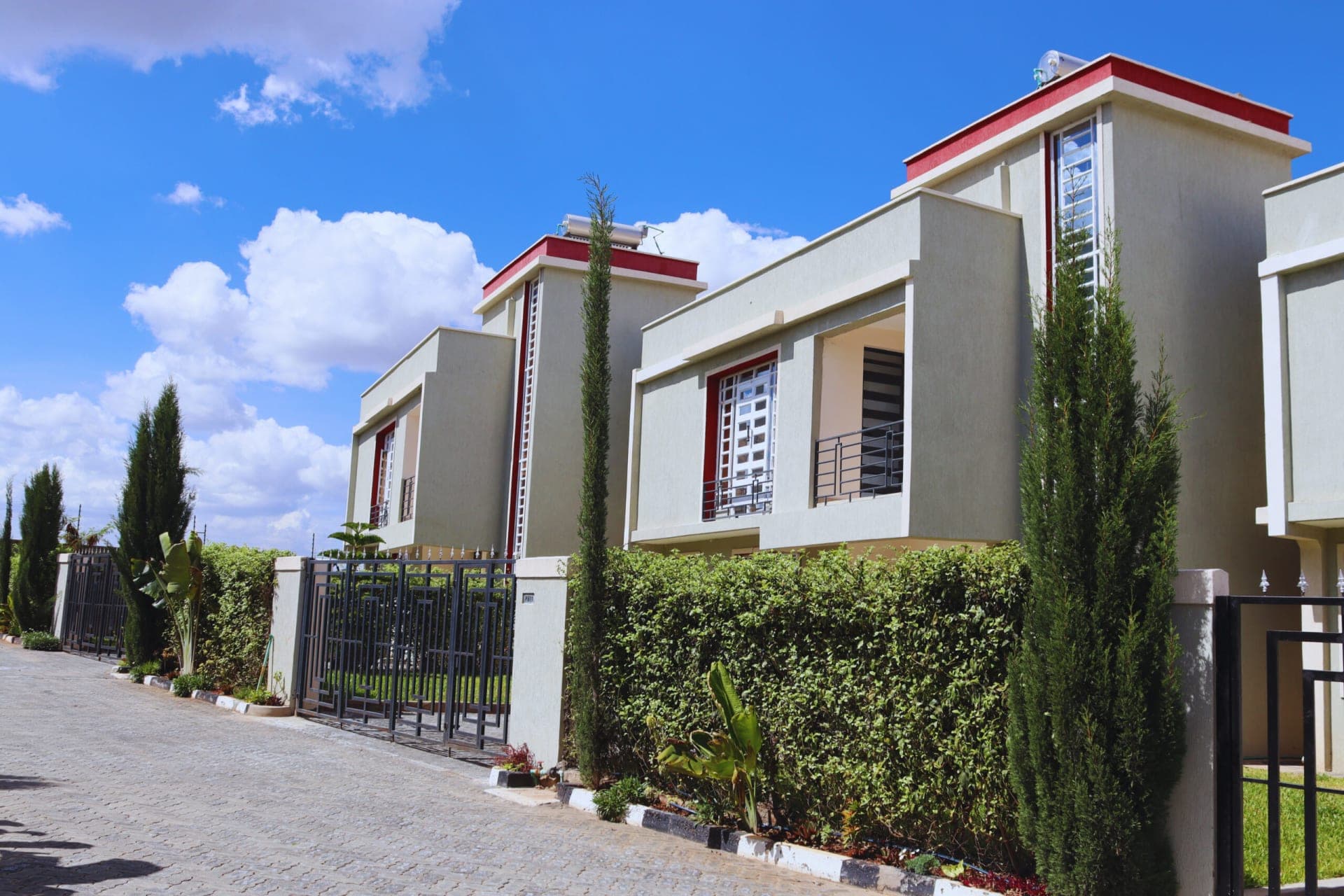
Take a drive or a walk in Kilimani, and you will see how the apartment projects do not match how the road, water, and sewage infrastructure is.
Potholes everywhere. Poor drainage system, inadequate water supply.
How will it be calculated?
The policy proposes a formula based on three factors:
The total size of your building (Gross Floor Area)
What the building will be used for, such as residential, commercial, or industrial
Where the development is located
For example, a large commercial development in an already congested part of Nairobi is likely to attract a higher fee than a smaller residential project in an area with less pressure on infrastructure.
The exact rates are expected to be published as implementation progresses.
When will developers have to pay?
The proposed rules are clear.
The Development Impact Fee would need to be paid before a Building Permit is issued.

It doesn't stop there.
The policy also proposes that an Occupation Certificate can only be issued after compliance with the fee has been confirmed digitally.
In simple terms, developers would not be able to legally build or occupy a project until this requirement has been met.
Will this make homes more expensive?
It's a question many people are already asking.
Developers are businesses, and like any other business, additional costs often find their way into the final selling price.
If the Development Impact Fee significantly increases the cost of construction, some of that cost could eventually be passed on to homebuyers or tenants.
However, supporters of the policy argue that better roads, drainage, public spaces, and infrastructure also make neighbourhoods more attractive and can increase property values over time.
Whether the benefits outweigh the costs will likely depend on how the money is managed and invested.
Where will the money go?
One of the more interesting parts of the proposal is that the money is not meant to disappear into the county's general budget.
Instead, it will be placed into a dedicated infrastructure fund known as the Nairobi Urban Infrastructure Reinvestment Fund (NUIRF).
According to the policy, the fund will finance infrastructure projects that support Nairobi's growing population, while a digital system will allow for greater transparency in how the money is collected and spent.
Why this matters
For developers, this is likely to become another important item in project budgeting.
Land costs, construction costs, financing, and approval fees have always been part of the equation. The Development Impact Fee could soon become another cost that developers need to account for before launching new projects.
For investors and buyers, the policy could influence everything from apartment prices to where future developments take place. But more importantly, it could mean having proper infrastructure near your investment or home.
If paying a couple of hundred thousand shillings will ensure good roads, walk paths, water, etc., then I think it is a fair price to pay.
The bigger picture
The Development Impact Fee is just one part of Nairobi's wider effort to modernise how the city grows.
The new policy also introduces updated zoning rules, greener building standards, digital approvals, and new planning processes that could reshape the city's property market over the coming years.
If implemented effectively, the county hopes the new approach will help ensure that infrastructure grows alongside new developments instead of struggling to catch up.
Next in this series: Why Resident Associations Will Have More Say Over New Developments.